
If you are collecting **remodeling quotes**, you are already at the part of the project where expensive mistakes happen fast. I know because I have done this the dumb way before: grabbed the lowest bid, assumed we were talking about the same materials, and then watched the final bill climb once the walls opened up. The good news is that comparing quotes is not magic. It is mostly about slowing down, reading line items, and asking a few plain questions before anyone swings a hammer.
Why remodeling quotes vary so much
One thing that frustrates homeowners is how wildly different **remodeling quotes** can look for what seems like the same job. A bathroom refresh might come in at $8,000 from one contractor and $18,000 from another. That does not automatically mean one is honest and one is a crook. It usually means they are quoting different scopes, different material allowances, different labor standards, or different levels of project management.
A detailed quote might include demolition, debris hauling, trim repair, permits, waterproofing, finish carpentry, and cleanup. A thin quote might just say “bath remodel” with one big number at the bottom. That is where people get trapped. The cheap price often looks great until you realize tile, vanity installation, plumbing fixture swaps, or painting were never fully included.
I like to think of quotes like tool lists. If one list says “drill” and another says “18V brushless drill, two batteries, charger, case,” they are not the same thing. Home projects work the same way. Before you compare prices, make sure you are comparing the same job.
What a good quote should include
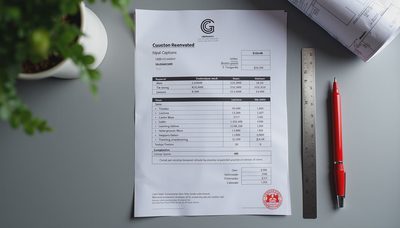
A solid remodeling bid should tell you what is being done, what materials are included, who is responsible for what, and where extra charges can show up. If it does not do that, it is not really a quote. It is a teaser number.
At minimum, I want to see a clear scope of work, labor and material breakdowns if possible, payment schedule, estimated timeline, and a note about permit responsibility when applicable. For bigger jobs like kitchens, basements, or room additions, allowances matter too. If the contractor includes a $1,500 cabinet allowance and you expect $6,000 cabinets, you are not looking at a realistic total.
Watch for vague phrases like “install customer selections” without quantity, brand, or finish details. That can turn into confusion fast. Same for flooring quotes that do not mention underlayment, subfloor prep, or transition strips. Those little omissions add up.

When I review **remodeling quotes**, I also look for cleanup, disposal, and punch-list work. You do not want to save $700 on paper and then spend your Saturday hauling busted drywall and trim to the dump. Don’t worry, it’s not expensive to ask for more detail. A decent contractor should be able to explain the numbers without acting annoyed.
Red flags that usually lead to budget pain
Some quote problems are not subtle. If a contractor refuses to put details in writing, skip them. If the quote is dramatically lower than everyone else and includes almost no specifics, skip them faster. I have already dealt with this problem for you.
Another red flag is an aggressive deposit request. For many jobs, a reasonable deposit helps cover scheduling and materials, but be cautious if somebody wants half or more upfront before ordering anything or pulling permits. That is not the position I want to be in as a homeowner.
You should also be wary of pressure tactics like “sign today for this price” on a standard remodel. Roofing after a storm is one thing. A planned kitchen project is another. Good contractors are busy, but they usually understand that a family needs a day or two to compare notes and numbers.
The biggest hidden-cost trap is the change order that was predictable from the start. Real surprises do happen, especially in older houses. Rotten subfloor, outdated wiring, hidden water damage—those are real. But if basic prep work, caulk, patching, hardware, or fixture hookups somehow become “extras” every single time, the original quote was probably built to look cheap.
How to compare remodeling quotes the smart way
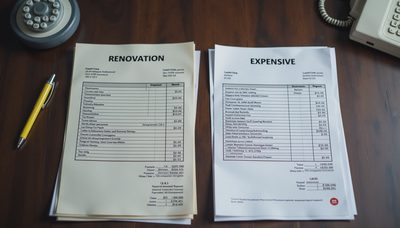
The best system is boring, and that is why it works. Make a simple spreadsheet or even a handwritten list. Put each contractor across the top and the major categories down the side: demolition, framing, electrical, plumbing, drywall, flooring, cabinets, painting, cleanup, permits, and warranty. Then fill in what each quote actually includes.
That is how you spot missing pieces fast. One bid may include hauling debris, one may not. One may include painting walls and trim, another may stop at primer. One may allow for a stock vanity from Lowe’s, while another is pricing a semi-custom setup. Suddenly that $4,000 gap starts making sense.

I also recommend asking each contractor the same three questions: What is not included? What assumptions did you make? What items usually turn into change orders on this kind of job? Those answers tell you a lot. The contractor who gives straight answers is usually easier to work with later.
If two quotes are close, I lean toward the one with more detail and better communication, not automatically the lowest number. Saving $1,200 is nice. Avoiding three weeks of headaches is nicer. The money saved by choosing the right bid instead of the flashy cheap one is enough to buy a case of beer.
Where to spend more and where to push back
Not every higher line item is bad. Some things are worth paying for. Waterproofing in a shower, proper venting, electrical work, and quality prep are the boring categories that keep a remodel from becoming a repair project next year. If a quote is higher because it includes solid prep and decent materials, I pay attention.
On the other hand, there are areas where homeowners should push back. Fancy allowances with no product list, oversized design fees for simple layouts, and vague “project management” charges on modest jobs deserve questions. Same for premium materials where standard options would perform just fine in a busy family house.
For example, if you are updating a kid-used bathroom, you may not need top-shelf imported tile. A durable porcelain option from Floor & Decor or a practical vanity from Home Depot can look good and hold up well. Spend more on the waterproofing behind the tile than on a trendy finish nobody will notice in six months.
Good **remodeling quotes** help you make those choices before the work starts. That is the whole game.
Final checklist before you sign anything
Before you sign, make sure the quote matches the final scope, materials, allowances, timeline, and payment schedule you actually discussed. If something was promised verbally, get it added. If a detail matters to you, like soft-close drawers, tile height, paint brand, or who handles permit pickup, put it in writing.
Read the warranty language too. A one-year workmanship warranty is common. Material warranties usually come from the manufacturer, not the contractor. That distinction matters.
Most of all, trust the paperwork and the communication, not just the sales pitch. The best **remodeling quotes** are clear enough that both sides know what success looks like. That lowers stress, protects your budget, and keeps your project from turning into one of those “well, now we have to” disasters.
Take one extra evening to compare bids carefully. Seriously. It is the cheapest part of the whole remodel, and it can save you thousands.
— Sam, an ordinary homeowner still struggling with the house.


No letters yet — pray write the first.