
If you're shopping for replacement windows, you've probably run into the debate: vinyl window vs fiberglass. I've been there myself, standing in the aisle at Home Depot, trying to figure out which one would survive another Ohio winter without breaking the bank. Both materials have their fans, but they solve different problems. In this comparison, I'll walk you through what I've learned from installing both in my own house and helping friends with theirs.
What’s the Difference Between Vinyl and Fiberglass Windows?
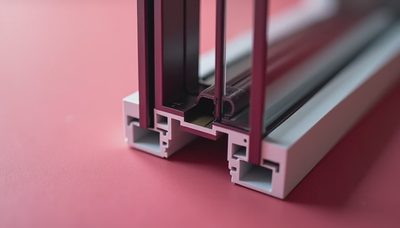
Let’s start with the basics. Vinyl windows are made from PVC (polyvinyl chloride), the same stuff in plumbing pipes. They’re extruded into frames and then welded together at the corners. Fiberglass windows use glass fibers embedded in resin, making them stronger and more dimensionally stable.
I’ve had vinyl windows in my last house—they did the job for about 15 years before the frames started bowing in the sun. My current house has fiberglass, and honestly, they still look brand new after five years. The main difference comes down to material properties: vinyl expands and contracts with temperature, while fiberglass barely moves. That means fiberglass seals stay tighter longer, which matters for energy efficiency.
Comparing Costs: Upfront Price vs Long-Term Value
Here’s where the rubber meets the road. Vinyl is cheaper—no way around it. A standard double-hung vinyl window runs about $300–$600 installed, depending on quality. Fiberglass? Double that: $600–$1,200 installed. I paid $450 per window for mid-grade vinyl back in 2017; last year I shelled out $800 each for fiberglass.
But don’t just look at the sticker price. Vinyl windows often need replacement after 20–30 years because the frame warps or the welds fail. Fiberglass can last 40–50 years with proper care. If you plan to stay in your house long-term, fiberglass might actually save you money. I’ve seen too many friends replace their vinyl windows twice in one lifetime—don’t be that guy.

Energy Efficiency and Insulation
Energy efficiency is where the vinyl window vs fiberglass debate gets interesting. Fiberglass frames are naturally better insulators—they have an R-value around R-3 to R-4 per inch, while vinyl is closer to R-2. That doesn’t sound huge, but over a whole house, it adds up. I upgraded to fiberglass on my south-facing side last year and saw a 10% drop in my heating bill the first winter.
That said, vinyl windows have improved. Modern multi-chambered frames with foam insulation can close the gap. If you buy good-quality vinyl (not the cheap builders’ grade), you’ll get decent performance. But if you live in a climate with extreme temperature swings, fiberglass handles the expansion better—no sticking windows in summer or drafts in winter.
Durability and Maintenance: Which Holds Up Better?
Durability is fiberglass’s superpower. It’s five times stronger than vinyl, so it won’t dent, warp, or twist. My fiberglass windows survived a hailstorm that left pockmarks on my vinyl shed window—the frame itself was fine, just the glass replaced.
Vinyl requires less maintenance—you never have to paint it. But it does get brittle over time, especially in direct sun. I’ve seen white vinyl turn yellowish after ten years. Fiberglass can be painted (if the color you buy is primed), so you can change the look without replacing the whole window. Just be careful with darker colors—fiberglass absorbs heat less than vinyl, so it’s safer for dark frames.
One more thing: vinyl tends to be hollow unless specified, which means it can feel cheap when you tap it. Fiberglass feels solid, like a fiberglass door. That matters when you open and close them every day.

Aesthetics and Customization Options
Let’s talk looks. Vinyl windows are limited to a few standard shapes and colors—mostly white, beige, or tan. If you want a different color, you’ll have to paint it (which manufacturers don’t recommend). Fiberglass can be molded into any shape, including arches and circles, and you can get factory finishes in dozens of colors.
My house is a 1995 colonial with white trim—fiberglass in white blends in perfectly. But if you have a modern home with dark trim, fiberglass lets you match without clashing. Also, fiberglass frames are slimmer than vinyl, so you get more glass area and a better view. That was a selling point for my wife, Wendy—she wanted as much natural light as possible.
So Which One Should You Pick?
Here’s my honest take: If you’re on a tight budget and plan to move within 10 years, go with good-quality vinyl. Spend the extra on double-pane Low-E glass and argon gas—that’s where you get the most bang for your buck. If you’re staying put for 20+ years and want the best performance, fiberglass is worth the premium. Think of it as an investment: you’ll save on energy bills and window replacements down the road.
Either way, avoid the cheapest option at the big-box store—they’ll warp in a few years and you’ll regret it. I learned that lesson the hard way with my first house. Don’t worry, it’s not expensive to get windows that last if you compare carefully.
— Sam, an ordinary homeowner still struggling with the house.




No letters yet — pray write the first.