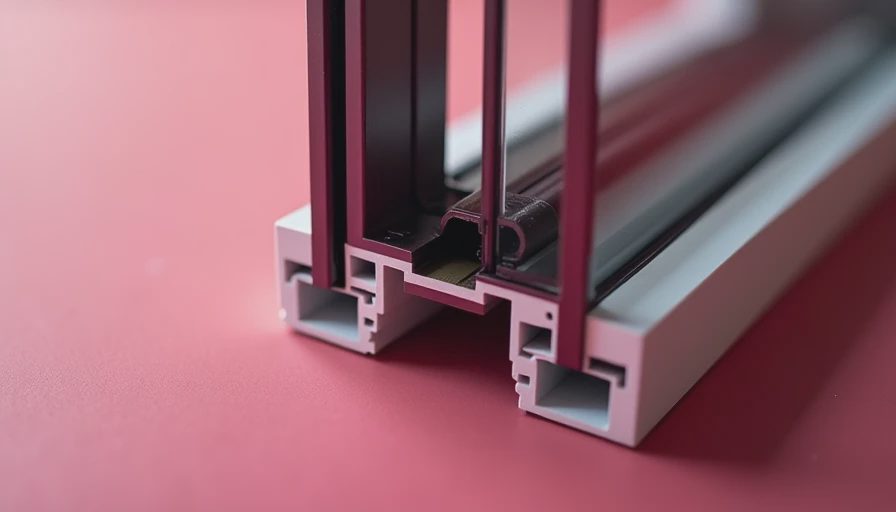
When I first started looking into **energy efficient windows**, I thought they were just a marketing gimmick. But after living through Ohio winters with single-pane windows that literally had ice on the inside, I decided to make the switch. Three years later, I can tell you exactly what's hype and what's real when it comes to **energy efficient windows**.
Why Energy Efficient Windows Actually Matter
Let's start with the obvious: your old windows are probably leaking air like a sieve. In my 1995 house, the original builder-grade windows were so drafty that the curtains would move when the wind blew. Replacing them with **energy efficient windows** meant the rooms stayed warmer in winter and cooler in summer without the HVAC running constantly. The real surprise was noise reduction—my kids' playroom faces a busy street, and the difference is dramatic. But the biggest win? The utility bills dropped by about 25% in the first year. That's not a made-up number—I compared my bills before and after.
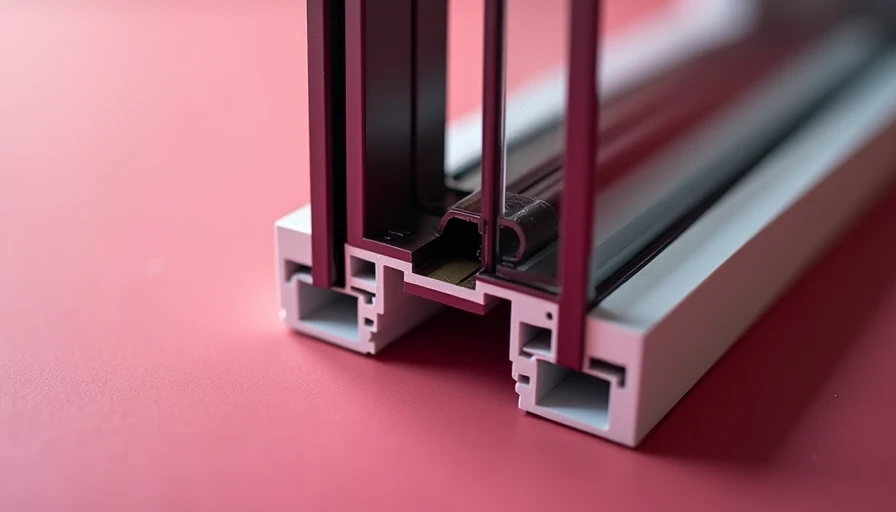
How Much Do They Cost and How Fast Do They Pay Off?
The sticker shock is real. I got quotes ranging from $400 to $1,200 per window installed. For a house with 15 windows, that's a big number. But here's the thing: not all **energy efficient windows** are created equal, and you don't need the most expensive ones. I went with double-pane, low-E glass, argon-filled windows from a mid-range brand (Milgard, for what it's worth). Total cost after installation and permits: about $9,000. Between the energy savings (roughly $600/year) and a $500 federal tax credit (at the time), the payback period was around 13 years. If you plan to stay in your house for a while, that's a solid investment.
What to Look For When Shopping
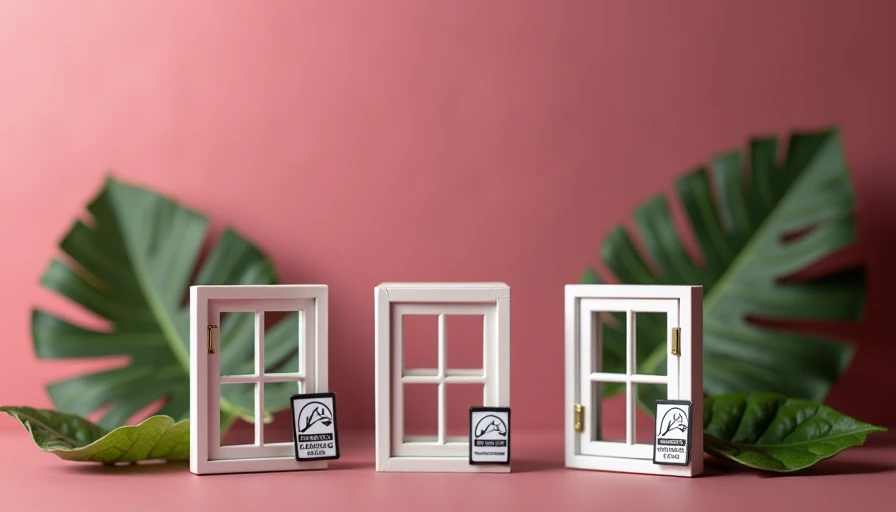
Here's where the industry gets tricky. Every salesman will throw around terms like "U-factor" and "SHGC" until your eyes glaze over. Focus on two numbers: U-factor (how well the window insulates—lower is better) and Solar Heat Gain Coefficient (how much solar heat it lets in). For a cold climate like mine, aim for a U-factor below 0.30 and an SHGC around 0.30–0.40. Also, check for the Energy Star label—it's not a guarantee, but it's a good baseline. I also recommend looking at the NFRC rating sticker. My windows have a U-factor of 0.28, and they perform great.
Installation: DIY or Hire a Pro?
If you're a confident DIYer, you can save a lot by installing **energy efficient windows** yourself. I've done a few window swaps in my time, and it's doable if you have the right tools and a helper. But here's the catch: if you mess up the flashing or sealing, you'll get leaks and rot, and your energy savings vanish. I decided to hire a pro for this job because the stakes were high. The labor cost about $150 per window, and they finished in two days. In retrospect, it was money well spent. The peace of mind alone is worth it.
Do They Really Help in Summer and Winter?
Absolutely. In the summer, the low-E coating reflects infrared heat, keeping the house cooler. Our upstairs rooms used to be unbearable without AC, but now they stay comfortable until late afternoon. In the winter, the argon gas and double panes reduce heat loss so much that my furnace cycles less often. One unexpected benefit: our humidifier now works more effectively because the moisture isn't constantly escaping through the glass. We've also noticed less condensation on the windows—no more frozen puddles on the sill.
A Quick Word About Tax Credits and Rebates
As of 2025, you can get a federal tax credit of up to $600 for qualifying **energy efficient windows** (30% of the cost, capped). Many states and utilities also offer rebates. I got a $200 rebate from my electric company. Check the Database of State Incentives for Renewables & Efficiency (DSIRE) website for your area. Those savings can knock a year or two off your payback period.
5 Common Mistakes to Avoid When Shopping for Energy Efficient Windows
After my own experience and talking to neighbors who also upgraded, I've seen a few recurring mistakes. Here's what to watch out for:
- **Buying the cheapest option.** Rock-bottom prices often mean thin frames or basic seals that won't last. You don't need top-tier, but mid-range quality pays off.
- **Ignoring installation quality.** Even the best **energy efficient windows** fail if they're not sealed properly. Ask for references and check for warranty coverage on labor.
- **Overlooking the NFRC label.** Some salespeople skip this—insist on seeing the U-factor and SHGC numbers in writing.
- **Assuming all Energy Star windows are equal.** Energy Star is a baseline, but performance varies. Compare actual ratings, not just the sticker.
- **Forgetting about warranties.** Most good windows come with a 20-year or lifetime warranty on glass and a 2-10 year warranty on seals. Make sure you understand what's covered.
Avoid these pitfalls, and your **energy efficient windows** will deliver the savings and comfort you expect.
Final Thoughts
Are **energy efficient windows** worth it? Yes—if you're tired of drafty rooms and high bills. But don't overspend on top-tier brands unless you really need soundproofing or extreme climate performance. A good mid-range window with proper installation will save you money and make your home more comfortable. If you can swing the upfront cost, it's one of those home improvements that actually delivers on its promises.
— Sam, an ordinary homeowner still struggling with the house.


No letters yet — pray write the first.