I’ve been flipping furniture from Facebook Marketplace for three years, and I’ve made enough mistakes to fill a dumpster. But I’ve also turned a solid profit—enough to furnish my own house and buy a few tools I’d otherwise have skipped. If you’re looking for practical Facebook Marketplace furniture flip tips that actually work, you’ve come to the right place. This isn’t about becoming a full-time reseller; it’s about making some cash, upgrading your own space, and learning a skill that pays for itself.
Why Facebook Marketplace Is the Best Platform for Furniture Flipping
Facebook Marketplace is where the deals are. Unlike eBay or Craigslist, the local focus means you can inspect pieces in person, avoid shipping headaches, and negotiate face-to-face. I’ve scored solid wood dressers for $20, mid-century tables for $15, and even a solid oak bookcase for $10—all because sellers just wanted them gone. The best Facebook Marketplace furniture flip tips start with understanding the platform: search for “free” or “cheap,” check listings with blurry photos (that’s often a sign no one else is bidding), and act fast when something good pops up. I usually set alerts for keywords like “solid wood,” “vintage,” or “teak.” Within a week, you’ll have a pipeline of potential flips.
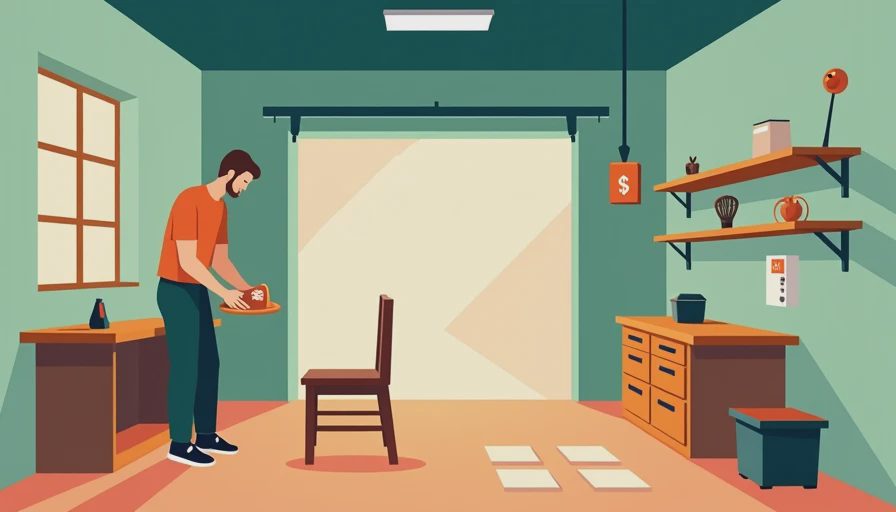
How to Find Profitable Furniture on Facebook Marketplace
Not every piece is worth flipping. The real Facebook Marketplace furniture flip tips involve knowing what sells. Look for solid wood construction (avoid particleboard), classic shapes (mid-century, farmhouse, or industrial), and pieces with good bones but ugly finishes. An ugly paint job or dated upholstery is a plus—it scares off casual buyers. I once found a solid maple desk painted baby blue. After sanding and staining, it sold for $300. My rule: never pay more than $50 for a flip unless it’s a rare piece. Stick to dressers, tables, chairs, and bookshelves—they’re easy to refinish and always in demand. Skip sofas and mattresses unless you’re experienced with upholstery; the learning curve is steep, and profit margins are thin.
Once you’ve identified a candidate, negotiate. I always start at 70% of the asking price. Most sellers expect haggling. If the piece is already cheap, I might offer 20% off. The key is to be friendly and show up with cash. I’ve gotten $40 tables for $25 just by saying “I can come today with $25 cash.” That alone is one of the most powerful Facebook Marketplace furniture flip tips.
Essential Prep and Refinishing Tips
You don’t need a full woodshop. A random orbital sander, a set of sandpaper grits (80, 120, 220), good wood conditioner, stain, and polyurethane are enough for 90% of flips. I use Minwax stains and Varathane poly—both under $15 a can. For painted pieces, a good primer (Zinsser BIN) and quality paint (I like Sherwin-Williams ProClassic) make the difference. Always clean the piece first with TSP or a degreaser. Then sand, fill any cracks with wood filler, sand again, stain or paint, and seal. Don’t rush the drying time—I’ve ruined a $50 flip by applying poly too fast. Allow 24 hours between coats.
If the piece has veneer, be careful. Sanding too hard can burn through it. I’ve done that twice and had to paint over the damage. One of my best Facebook Marketplace furniture flip tips is: when in doubt, paint it. Paint covers a multitude of sins, and painted furniture sells quickly with modern farmhouse decor. A can of chalk paint (I use Annie Sloan but $40 a can is steep; Rust-Oleum Chalked at $15 works fine) can transform a dated piece in one afternoon. Top it with clear wax, and you’re done.

Pricing and Listing Tips for Fast Sales
Pricing is where most beginners lose money. I aim for a 100-200% markup over my total cost (purchase plus materials). If I buy a table for $30 and spend $20 on supplies, I list it at $100-$150. Check sold listings on Facebook Marketplace to see what similar pieces actually sell for. The best Facebook Marketplace furniture flip tips for pricing: round to the nearest $25 or $50. List at $125 instead of $130—it feels approachable. Also, include “OBO” but set a firm minimum. I always write “Price firm” in the description to discourage lowballers, then message anyone who asks nicely and offer $10-15 off if they pick up the same day.
Photos are everything. Take pictures in natural light, from multiple angles, against a clean background. I shoot outside on my porch with no clutter. Show a close-up of the hardware or any unique details. Mention the dimensions, materials, and any flaws honestly. I use lines like “small scratch on top (not visible with a tablecloth)” —buyers appreciate transparency. Also, list the piece in the right category: Furniture > Dressers, not General. And repost every three days. Facebook’s algorithm hides stale listings.
Common Mistakes to Avoid When Flipping Furniture
I’ve made every mistake on this list. Don’t skip the smell check. Musty furniture is a nightmare to sell. Also, never buy a piece with structural damage like broken legs or split wood unless you’re confident you can fix it (I’ve done it, but it’s rarely worth the time). Avoid trendy pieces that look dated six months later. Stay with neutral tones—white, gray, natural wood—they sell faster. And don’t underestimate the time required. A refinish can take a week including drying. Plan accordingly.
Another overlooked Facebook Marketplace furniture flip tips: join local Facebook groups for furniture flipping or DIY. I’ve sold pieces within hours by posting in my neighborhood Buy Nothing group or local vintage collectors’ group. Also, consider bundling. If you have two matching nightstands, sell them together for a higher total price. And always deliver or meet in a well-lit public spot. I’ve had buyers flake, but I stick to cash or Venmo at pickup.
One final tip: keep track of your costs and sales in a spreadsheet. It helps you see what’s working. For me, solid wood dressers and dining tables are my bread and butter. I’ve averaged $75 profit per flip over 30 pieces. That’s a solid return for a few hours’ work. And honestly, the best part isn’t the money—it’s saving a good piece of furniture from the curb. If you start with a $20 dresser and a can of paint, you can be profitable this weekend. Don’t worry, it’s not expensive. — Sam, an ordinary homeowner still struggling with the house.





No letters yet — pray write the first.