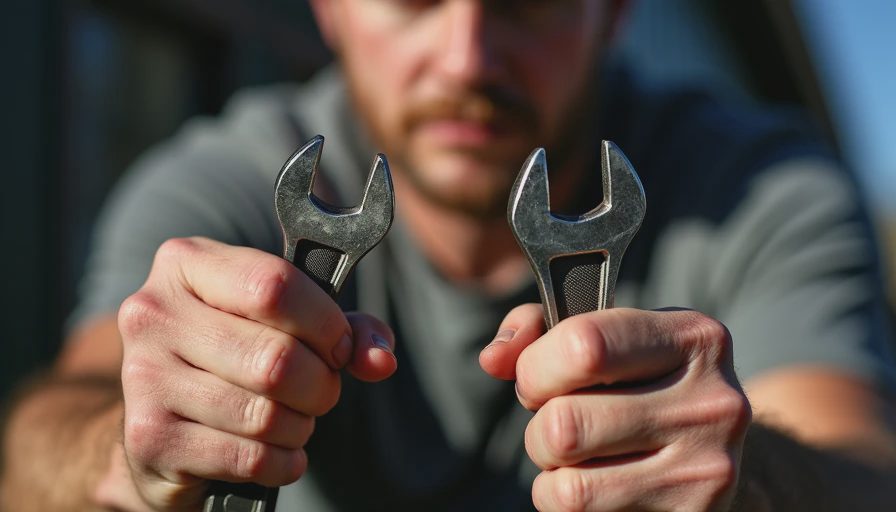
I’ve wasted more money on bad tools than I want to admit. After eight years of home renovations across three houses, I’ve learned that smart **tool comparisons** aren’t about which brand has the flashiest marketing. It’s about what actually holds up when you’re on a Saturday afternoon with a stripped screw and a deadline. Whether you’re comparing drills, circular saws, or impact drivers, the right **tool comparisons** can save you hundreds of dollars and keep you from buying something that’ll break before the warranty expires.
Why Most Tool Comparisons Miss the Mark
Here’s the thing — most online **tool comparisons** are either affiliate-driven or written by people who’ve never actually used the tools on a real job site. I’ve fallen for those “best budget drill” lists only to have the chuck come loose after three months. Real **tool comparisons** need to consider durability, repairability, and how the tool feels in your hand after an hour of use. For example, comparing a $99 Ryobi drill to a $179 DeWalt isn’t just about price. The Ryobi is lighter but that plastic housing cracks if you drop it on concrete. The DeWalt can take a fall, plus parts are easier to find locally. That kind of detail matters more than spec sheets.
The Two-Category Comparison Rule
When I need to make **tool comparisons**, I break it down into two categories: frequency and precision. High-frequency tools like drills, circular saws, and sanders are worth spending more on because you’ll use them every project. Low-frequency tools like pipe benders or tile cutters? Rent or buy cheap. For instance, my compound miter saw comparison between the Metabo HPT 12-inch and the DeWalt DWS780 came down to this: the Metabo is $379 and cuts well for framing, but the DeWalt at $599 has a better dust collection system that my wife (Wendy) appreciates since I set up in the garage. Both cut the same angles, but the DeWalt saved my marriage during the baseboard project.

How to Test a Tool Before You Buy
You can’t always try before you buy, but I’ve developed a quick checklist for making reliable **tool comparisons** in-store. First, check the weight distribution — hold it like you’re using it. Is the center of gravity comfortable? Second, look at the chuck or blade attachment mechanism. Cheap plastic tightening collars wear out fast. Third, see if it uses a common battery platform if it’s cordless. My entire garage runs on DeWalt 20V because I did the **tool comparisons** upfront and realized swapping batteries between brands is a pain. Lastly, read the one-star reviews on Amazon. Those reveal the real weak points.
A Comparison Table for Mid-Priced Drills
Instead of listing specs, here’s a real-world comparison of three drills I’ve owned or used for at least six months:
- **DeWalt DCD791**: $149, 20V, brushless. Extremely reliable. Dropped it from a ladder once — still runs smooth. Battery lasts through two days of light use.
- **Milwaukee 2804-20**: $179, M18 Fuel. Highest torque, but heavier. If you’re drilling through steel studs or concrete anchors, this is worth the extra $30. But for just hanging shelves, it’s overkill.
- **Ryobi P252**: $79 (with battery). Good for an occasional user. The clutch stripped out after 50 uses, but the warranty replaced it. Great for beginners, but don’t expect it to last years.
**Verdict:** If you’re a weekend warrior, go with the Ryobi and upgrade when it breaks. If you’re remodeling a whole house, the DeWalt is the sweet spot. The Milwaukee is for pros.
Tool Comparisons for the Budget-Conscious Homeowner
I know not everyone wants to spend $150 on a drill. That’s why I also compare tools from Harbor Freight and garage sales. For example, a Hercules drill from Harbor Freight at $89 is surprisingly good for the price, but the brushless model is $119 which is close to the Ryobi. When I did the **tool comparisons** between the two, the Ryobi had better battery availability. But if you’re just doing a few projects, the Hercules with the extended warranty is fine. Don’t worry, it’s not expensive.
Final Thoughts on Tool Comparisons
The best **tool comparisons** are the ones you do yourself based on actual use. Borrow a friend’s tool for a day, or buy the cheaper option first and see if it fits your needs. I’ve made peace with owning a mix of brands now — not everything has to match. Just make sure you’re comparing what matters: build quality, battery platform, weight, and real-world reviews. That’s the only way to avoid buying a tool that’ll sit in your garage gathering dust.
— Sam, an ordinary homeowner still struggling with the house.

No letters yet — pray write the first.