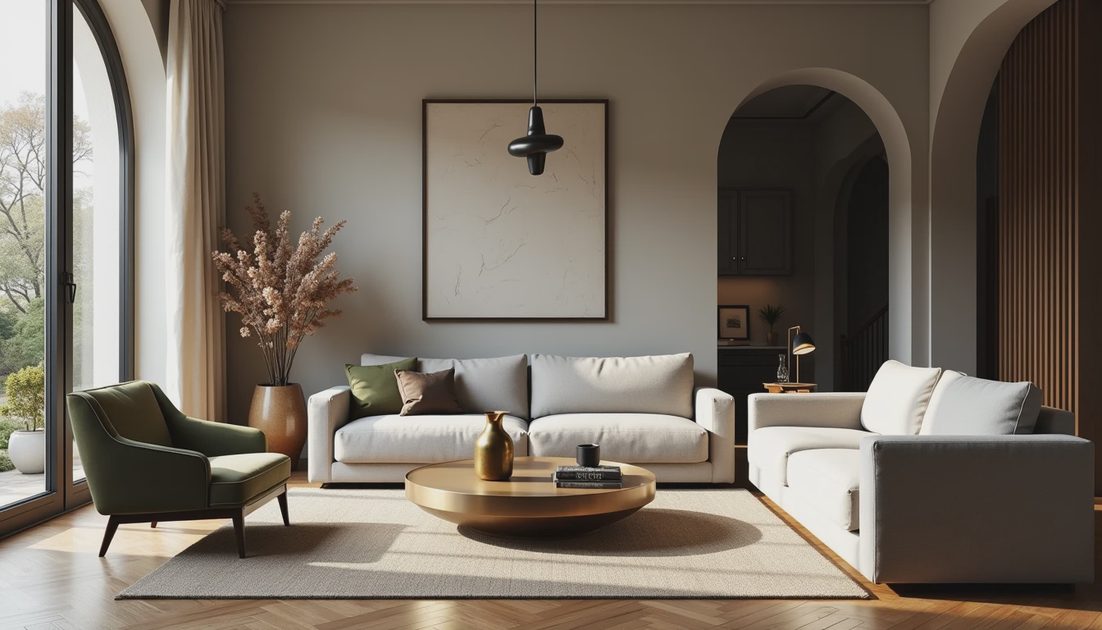
I can spend three hours perfectly leveling a new set of floating shelves, making sure they’re rock solid and can hold twice the weight anyone would ever put on them. Then Wendy walks in, looks at the shelves for ten seconds and says, “They’re great… but maybe we should move them six inches to the left and add something living there.”
That used to annoy me. Now I’ve learned to listen.
After three houses together, I’ve realized I see the technical side of every room — structure, storage, durability, repairability. Wendy sees how the room actually lives. The light, the flow, the feeling when you walk in after a long day. Her input has prevented me from turning our home into an overly practical but soulless workshop more times than I can count.
The shelf incident
Last year I installed heavy-duty oak floating shelves in the living room. They were dead level, properly anchored into studs, and could hold a small car. I was proud.
Wendy looked at them and said, “They feel heavy. The room feels heavier now.”
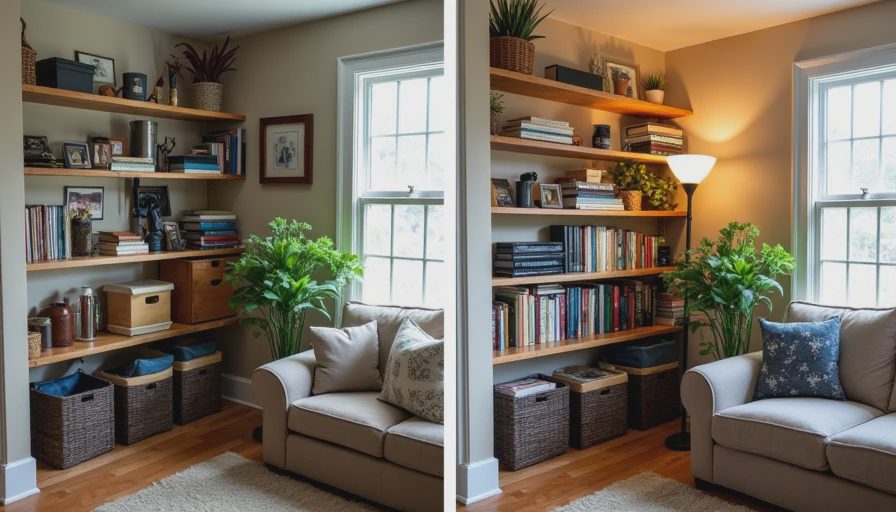
I didn’t understand what she meant until she moved a couple decorative pieces around, added a trailing plant, and adjusted the spacing. Suddenly the shelves looked intentional instead of industrial. The room breathed again.
What I typically focus on
Is it sturdy?
Can I easily repair it later?
Does it solve a storage problem?
Will the kids destroy it in six months?
These are important questions. But they’re only part of the story.
What Wendy sees that I completely miss
Light and flow
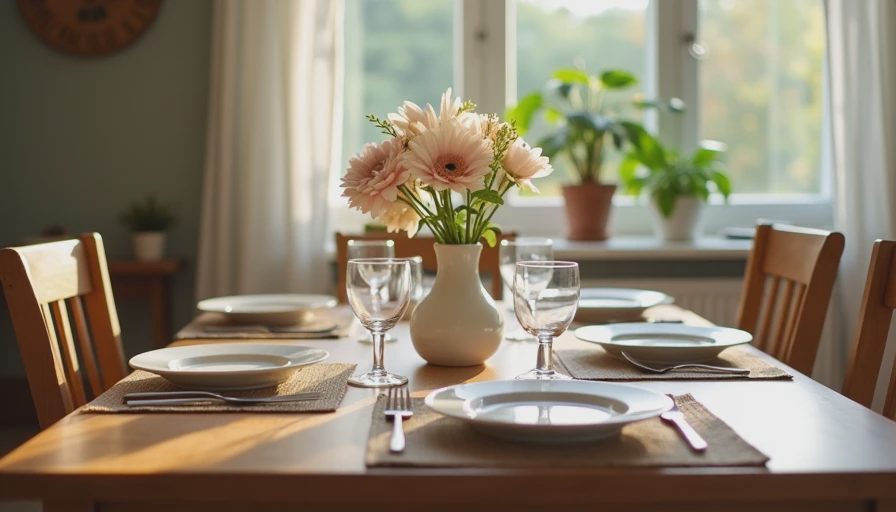
She notices how light moves through a room at different times of day. In our dining area, I wanted to put a big storage cabinet against one wall. Wendy pointed out it would block the afternoon light that makes the whole space feel warm. She was right. We found a different solution.
Visual weight
I don’t naturally understand visual weight. To me, a room either has storage or it doesn’t. Wendy can look at a space and tell if it feels top-heavy, cluttered, or unbalanced. She’s usually right.
How it feels to live in
This is the biggest one. I can make something perfectly functional, but she asks the important question: “Do we actually want to spend time in this room?”
How we work together now
We’ve developed a pretty good system after years of practice.
I handle the structural stuff — mounting, repairing, building, organizing the “bones” of the room. Then Wendy comes in and makes it feel like a home. Sometimes we compromise. Sometimes she convinces me her way is better. Occasionally I push back and we meet in the middle.
Real examples from our current house
The Kitchen
I wanted open shelving everywhere for easy access. Wendy suggested keeping most of it closed to reduce visual clutter. We compromised with a mix. The kitchen now functions well but doesn’t feel chaotic when the kids are making snacks.
The Kids’ Play Area
I built heavy-duty storage bins and floor-to-ceiling shelves. Wendy added soft textures, better lighting, and rotated toys so it doesn’t feel overwhelming. The kids actually play there longer now.
Our Bedroom
I was ready to install a giant tool wall style organization system. Wendy gently reminded me this was the one room where we should prioritize calm over maximum utility. We went with simpler nightstands and better lighting instead. Best decision we made that year.
The Garage (my domain)
Even here, she had input. She suggested better lighting and a small seating area so it doesn’t feel like a pure workshop. Now I actually enjoy spending time out there, and the kids come hang out with me more.
Why this balance matters
A house that’s only functional eventually feels cold. A house that’s only pretty but falls apart creates constant stress. The sweet spot is somewhere in the middle.
Wendy’s perspective has forced me to slow down and think about how we actually live in the house, not just how we maintain it. My practical approach has saved us money and prevented problems. Together, we’ve created a home that works well and feels good.
The kids notice it too
Our 9-year-old has started commenting on rooms — “This feels cozy” or “This corner is nice.” The 5-year-old just knows that certain spaces feel good to be in. That makes me happy.
Advice for other couples
If you and your partner see rooms differently, lean into it instead of fighting it. Have the practical person handle structure and repairs. Let the aesthetic person handle flow and feeling. Then blend the two.
Don’t be afraid to have honest (but kind) conversations about priorities for each space. Some rooms can be more functional, others more beautiful. Most benefit from both.
Final reflection
I used to think making a house good was mostly about fixing things correctly. Wendy has shown me it’s equally about how the fixed things come together to create a place we love coming home to.
I still focus on the practical stuff — that’s who I am. But I’ve learned to pause, ask Wendy what she sees, and incorporate her vision. Our house is better for it. Warmer. More livable. More ours.
The money saved fixing things myself combined with the joy of a house that actually feels like home is the best outcome I could ask for.
I’ve already struggled through three houses to figure this balance out.
Don’t worry, it’s not expensive to listen to your spouse’s perspective. In fact, it might be one of the smartest investments you can make in your home.
— Sam, an ordinary homeowner still struggling with the house.





No letters yet — pray write the first.