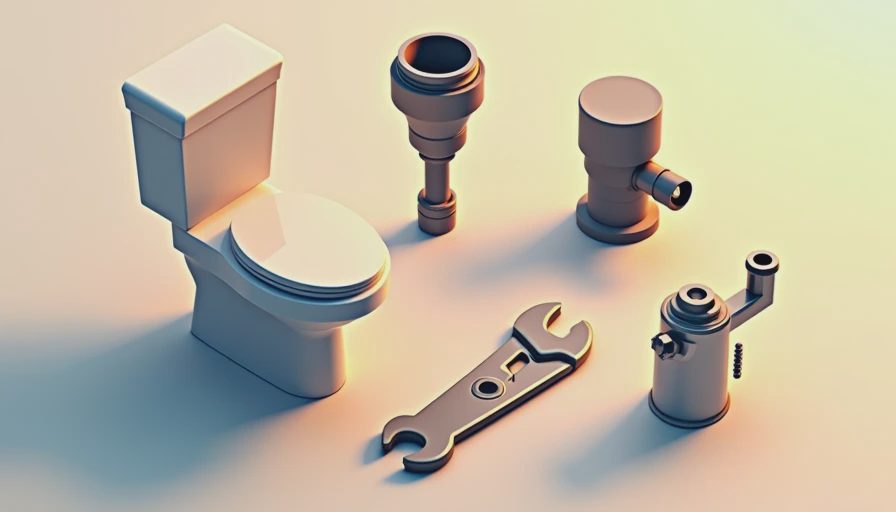
If your toilet is making that annoying hissing or trickling sound, you're likely dealing with a running toilet fix. It's a common problem, but it's also one of the easiest repairs to handle yourself. I've personally dealt with this issue in my 1995 Columbus home more times than I'd like to admit, and trust me, it's not something to stress about. A **running toilet fix** can save you water, money, and the irritation of that constant sound. Let me walk you through everything you need to know.
Why You Should Fix a Running Toilet Quickly
A running toilet isn't just an annoyance—it's a water waste disaster. A continuously running toilet can waste up to 200 gallons of water per day. That's like flushing money down the drain. According to the EPA (a credible source), fixing a running toilet can save a homeowner about $70 per year on water bills. In my own house, I noticed a $15 jump in my monthly water bill before I tackled the issue. Delaying a **running toilet fix** is like leaving a faucet on 24/7.
What You'll Need for a Running Toilet Fix
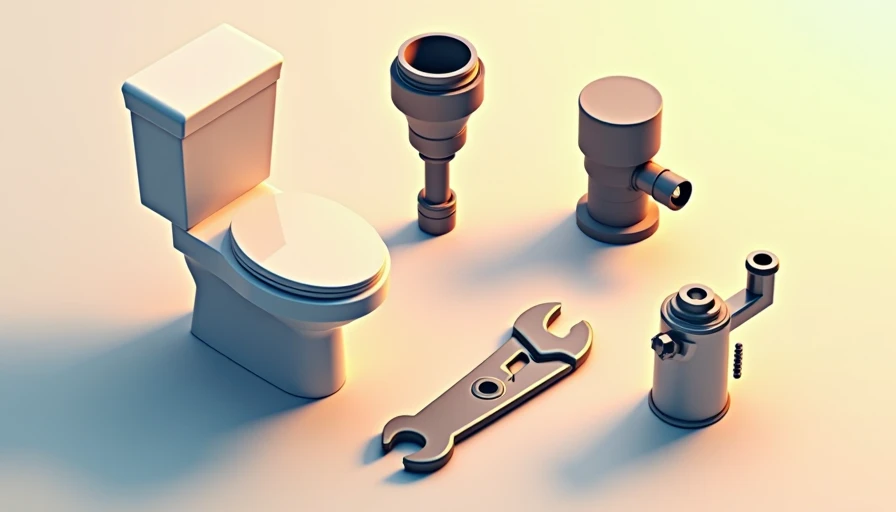
Before you dive in, gather a few simple tools and parts. Most of these are available at Home Depot or Lowe's for under $20. Here's what I keep on hand:
- **Universal toilet flapper** ($5-$8): Fluidmaster and Korky make good ones.
- **Fill valve replacement kit** ($10-$15): Get a Fluidmaster 400 or similar.
- **Adjustable wrench** or pliers.
- **Screwdriver** (flathead and Phillips).
- **Bucket** and gloves (just in case).
- **Toilet tank cleaner** (white vinegar works great for buildup).
Don't worry, it's not expensive. The total for a **running toilet fix** usually runs under $25 if you do it yourself. That's a fraction of what a plumber would charge.
Step-by-Step Running Toilet Fix Guide
Step 1: Check the Flapper
The flapper is the rubber valve at the bottom of the tank. Over time, it warps, cracks, or gets covered in mineral deposits. When it doesn't seal completely, water leaks into the bowl, and the fill valve keeps running. To test: press down on the flapper with your finger. If the running stops, the flapper needs replacing. This is the most common **running toilet fix**—I'd say 80% of the time, it's the flapper. Remove the old one, note the size, and install the new one according to the instructions.
Step 2: Adjust or Replace the Fill Valve
If the flapper looks fine, the issue might be the fill valve. The fill valve controls the water level in the tank. If it's set too high, water flows into the overflow tube, causing the toilet to run. First, try adjusting the height—turn the adjustment screw on top of the valve. If that doesn't help, replace the entire fill valve. A Fluidmaster 400 is a standard replacement that works with most toilets. I've used it in two of my houses, and it's a solid choice for a **running toilet fix**.
Step 3: Check the Float Height
The float (usually a plastic ball or cup) determines when the fill valve shuts off. If the float is too high, water tops off and leaks. Bend the float arm down or adjust the float cup to lower the water level. The water line should be about 1 inch below the top of the overflow tube. This simple adjustment often stops the toilet from running without replacing any parts.
Step 4: Clean Out Debris
Sometimes a stuck or dirty fill valve is the culprit. Hard water mineral deposits can clog the valve, preventing it from sealing. Turn off the water supply, flush the toilet to empty the tank, and remove the fill valve cap. Soak it in white vinegar for a few minutes to dissolve buildup. Reassemble and test. This is a free **running toilet fix** that takes less than 30 minutes.
When to Call a Plumber Instead
While a **running toilet fix** is usually a DIY job, there are times to call a pro. If your toilet has internal cracks in the tank or bowl, a simple repair won't cut it. Also, if you've tried all the steps above and the toilet still runs, you might have a more complex issue like a bad gasket or a damaged flush valve. And if you're not comfortable working with plumbing, it's fine to hire a plumber—just expect to pay $150-$250 for the visit. But 9 times out of 10, you can handle a **running toilet fix** yourself in under an hour.
Final Thoughts
A **running toilet fix** is one of those small home repairs that delivers big savings. You don't need to be a handyman to do it. With a few basic tools and a $10 part, you can stop the water waste and the noise. I've fixed three different toilets in my house over the years, and each time I've saved myself the cost of a plumber's call—plus avoided the headache of a high water bill. So grab that flapper, open the tank, and give it a shot. Don't worry, it's not expensive. — Sam, an ordinary homeowner still struggling with the house.



No letters yet — pray write the first.