The sound of a toilet running constantly used to drive me crazy. Not just because of the noise, but because I knew we were literally pouring money down the drain — water, money, and eventually my patience.
For years I would immediately call a plumber or run to the store and buy random replacement parts hoping something would work. After fixing this issue multiple times across three houses, I finally developed a reliable step-by-step order that solves most running toilet problems quickly and cheaply.
Here’s exactly what I do now, in the order I check things.
Step 1: Confirm it’s actually running
First, listen carefully. Is the tank constantly refilling, or is it just a small trickle? Lift the lid and watch.
If water is flowing into the overflow tube → Fill valve issue
If water is leaking from the flapper into the bowl → Flapper issue
If it refills randomly even when not used → Could be a slow leak or faulty fill valve
Take notes. This 30-second observation saves a lot of guessing later.
Step 2: The flapper test (most common fix)
This is where I start 80% of the time.
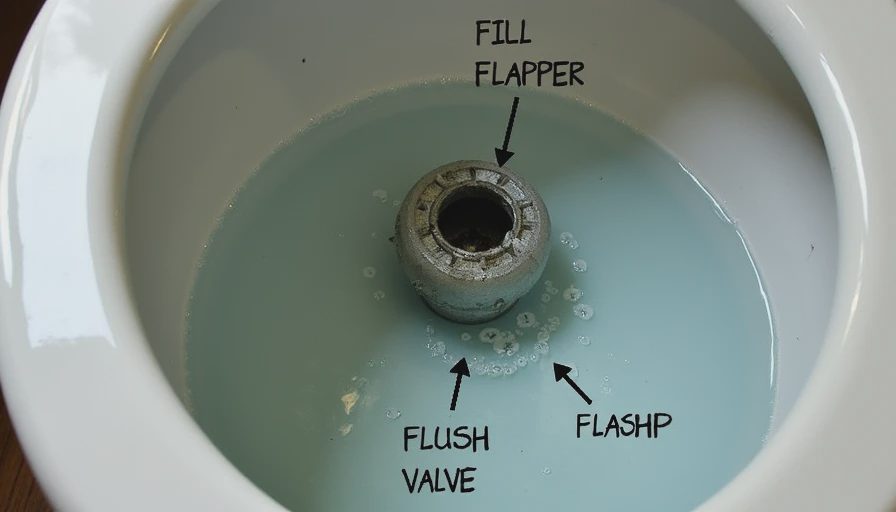
Turn off the water supply valve behind the toilet. Flush to empty the tank. Inspect the flapper. If it looks warped, has mineral buildup, or doesn’t seat properly, replace it.
A new flapper costs $5–$12 and takes 5 minutes to install. I’ve fixed countless running toilets with just this one part.
Step 3: Check the fill valve
If the flapper looks good but the tank keeps running, the fill valve is usually next.
Common signs:
Water continuously flows into the tank even after it’s full
Hissing or whistling sound
Water overflowing into the overflow tube
Modern fill valves (like Fluidmaster) are easy to replace. I keep one in the garage now because they fail every few years in hard water areas like Columbus.
Step 4: Adjust the water level
Many running issues are caused by the water level being set too high.
On most fill valves, there’s a screw or clip that adjusts the float. The water level should sit about ½ to 1 inch below the top of the overflow tube. Too high and it constantly spills over.
Step 5: Check the flush valve and tank-to-bowl gasket
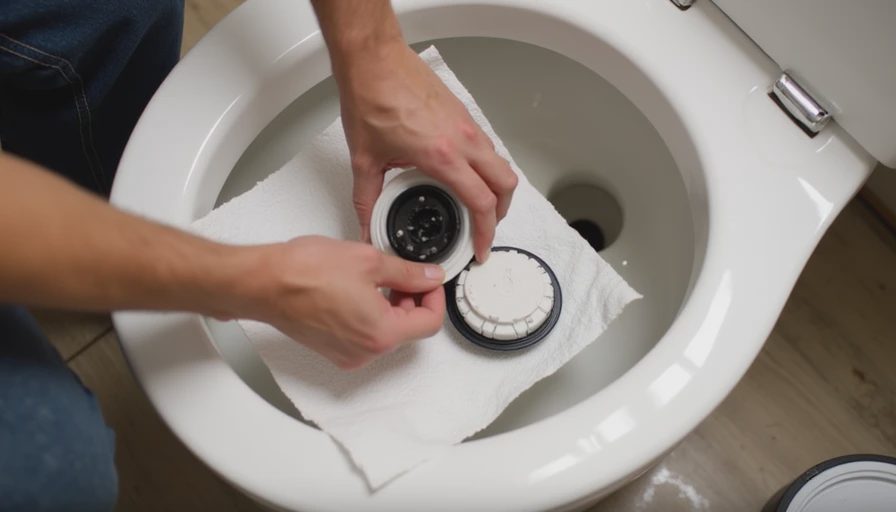
If the above doesn’t fix it, remove the tank and inspect the large gasket between tank and bowl. If it’s cracked or deteriorated, water leaks slowly and the tank keeps refilling.
This repair is a bit more involved but still totally doable for most homeowners.
Step 6: Chain and handle issues
Sometimes the chain gets caught or is the wrong length. The handle can also become loose. These are quick and cheap to fix.
My complete troubleshooting sequence
Remove lid and observe
Turn off water, flush, inspect flapper
Replace flapper if needed
Inspect/adjust fill valve
Replace fill valve if necessary
Check flush valve seal and tank gasket
Test everything and listen for 10 minutes
I follow this order every single time. It prevents buying the wrong part first.
Tools I keep ready for toilet repairs
Adjustable wrench or channel locks
Flathead screwdriver
Replacement flapper (universal)
Fluidmaster fill valve kit
Small bucket to catch water
Towels and paper towels
Headlamp (very useful)
Total investment: under $40 for everything, and it has paid for itself many times over.
Real fixes from my houses
House #1: Constant running after a guest used too much toilet paper. Turned out to be a stuck flapper. $8 fix instead of $160 plumber call.
House #2: Intermittent running that happened mostly at night. The fill valve was slowly failing. Replaced it in 15 minutes for $18.
Current House: The kids’ bathroom toilet started running after about 18 months. Classic fill valve issue caused by our hard water. I replaced both flapper and fill valve while I was in there.
When I stop and call a pro
If there’s water leaking from the base of the toilet onto the floor (wax ring issue)
If I replace the common parts and it still runs
If the tank is cracked
If I’m dealing with an extremely old toilet with weird parts
Preventive maintenance I do now
Every 6–12 months I:
Clean the flapper and seat
Check water level adjustment
Inspect hoses and connections
Pour a cup of vinegar in the tank to help with mineral buildup
This simple habit has dramatically reduced how often we have running toilet problems.
The bigger picture
A running toilet might seem like a small annoyance, but it can waste 200+ gallons per day. That adds up fast on your water bill and is terrible for the environment.
Learning to fix this one issue yourself builds confidence for bigger repairs. Once you’re comfortable inside a toilet tank, other plumbing jobs feel less intimidating.
Wendy appreciates not having to listen to the constant running sound, and I appreciate not paying plumber rates for a 15-minute job.
Final checklist you can save
Observe the problem
Check/replace flapper
Check/adjust fill valve
Verify water level
Inspect tank-to-bowl gasket
Test for 10+ minutes after repair
I’ve already dealt with this problem for you more times than I’d like to admit.
Don’t worry, it’s not expensive — and it’s definitely not complicated once you know the order.



No letters yet — pray write the first.