Roof Replacement Cost 2026: What Homeowners Need to Know Before Tearing Off Shingles
I’ve been through a roof replacement myself, and let me tell you—it’s not cheap. But if you’re planning a roof replacement cost 2026, you need to know exactly what you’re getting into because prices have changed. Asphalt shingles, metal, tile—each comes with its own price tag. And contractors? They’re not all playing fair. Here’s what I’ve learned from my own project and from talking to other homeowners.
Why Roof Replacement Cost 2026 Is Higher Than You Think
A few years back, a basic asphalt shingle roof on my 2,100-square-foot house ran around $8,000. By 2026, that same job could easily hit $12,000 to $15,000. Why? Material costs have jumped thanks to supply chain hiccups, and labor rates keep climbing because fewer young people are entering the trades. On top of that, many states now require updated underlayment and ventilation standards, which add to the bill. Don’t let a lowball bid fool you—contractors who quote far below the market are either cutting corners or planning to hit you with add-ons later.
Breaking Down the Roof Replacement Cost 2026 by Material
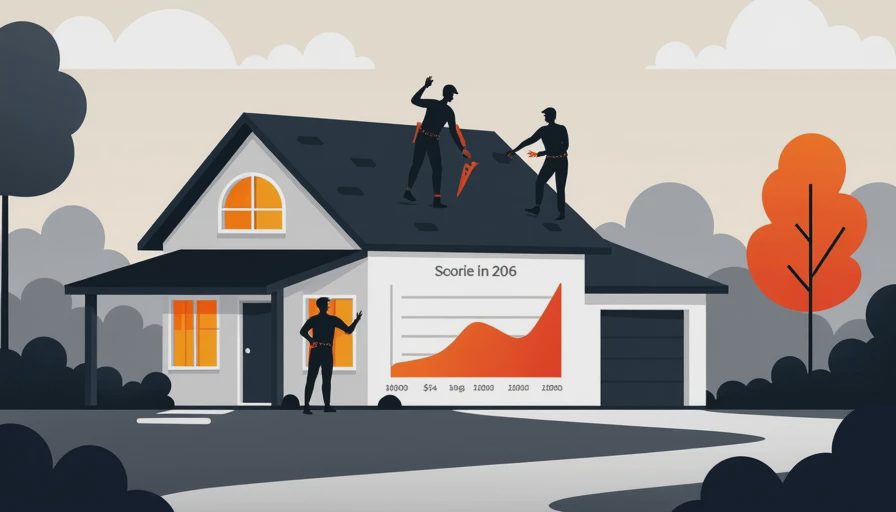
Your biggest cost driver is the material you choose. Asphalt shingles still dominate because they’re affordable: expect $5 to $7 per square foot installed. For a 2,000-square-foot roof, that’s $10,000 to $14,000. Metal roofing runs $9 to $16 per square foot—$18,000 to $32,000 total—but it lasts 40 to 70 years versus asphalt’s 20. Slate and tile are the premium options at $10 to $20 per square foot, pushing your tab to $20,000 or more. I went with architectural asphalt on my house because it gave me a modern look without breaking the bank, but if you plan to stay in your home for decades, metal might pay off.
How to Get Accurate Quotes for Roof Replacement Cost 2026
Getting a reliable estimate takes more than calling one roofer. I learned this the hard way after my first quote came in vague—just a lump sum with no breakdown. Here’s what I do now: collect at least three written quotes that list labor, materials, permits, dump fees, and any overlay or tear-off charges separately. Ask if they include ice-and-water shield in low-slope areas—many don’t, and that’s a $500-1,000 add-on. Also, check reviews and ask for proof of insurance. A honest contractor won’t dodge these requests.
Hidden Costs That Inflate the Roof Replacement Cost 2026
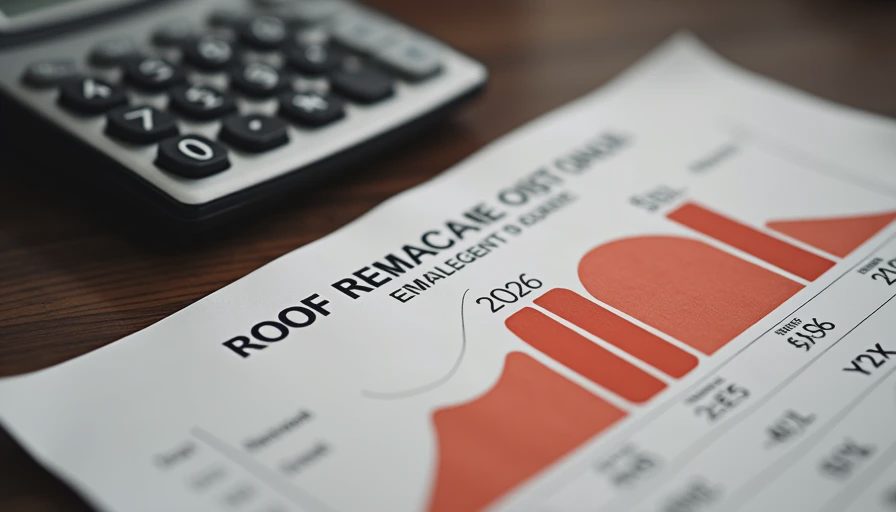
Even a fair quote can balloon if you overlook hidden costs. Permits alone can run $200 to $800 depending on your city. If the roofer finds rotten plywood decking underneath—common in older homes—replacing it costs $2 to $4 per square foot. Flashing around chimneys and vents often gets skimped on; upgraded flashing adds $300 to $600. And don’t forget disposal: a typical tear-off produces several tons of debris, and dump fees are climbing. I recommend adding a 10% contingency to your budget for surprises.
DIY vs Pro: Which Saves You Money on Roof Replacement Cost 2026?
I’ll be blunt: do not try to shingle your own roof unless you have experience. I’ve done plenty of minor repairs—replacing a few damaged shingles, patching a leak—but a full replacement is dangerous and easy to mess up. One wrong nail pattern can void the warranty. Plus, pros get materials at wholesale, which cuts 20-30% off retail. For a typical roof, paying a pro costs more upfront but saves you from costly leaks and injuries. Use your DIY energy on smaller projects like gutter cleaning or attic insulation.
Answers to Common Questions About Roof Replacement Cost in 2026
Question: Does homeowners insurance cover a roof replacement? Usually only if the damage is from a covered peril like wind or hail, not normal wear and tear. Check your policy—many have a separate roof deductible and may only pay actual cash value, not replacement cost. If your roof is over 15 years old, expect a reduced payout.
Question: Can I finance a roof replacement? Yes, many contractors offer financing through third-party lenders, or you can use a home equity loan or credit line. Some companies like GoodLeap and Hearth provide specialized home improvement loans. Interest rates vary from 0% promotional deals to 12% or more, so read the fine print.
Question: When should I replace instead of repair? If you have multiple leaks, widespread shingle curling, or granules collecting in gutters, replacement is more cost-effective than patching. A rule of thumb: if repair costs exceed 30% of a new roof, go for replacement. Also, if you’re planning to sell soon, a new roof boosts curb appeal and can add 2-5% to your home value.
No matter which route you take, start planning early. Get quotes in the winter or early spring when roofers are less busy—you might snag a discount. A roof replacement is a major expense, but with the right information you can keep costs under control and avoid the headaches I went through.





No letters yet — pray write the first.