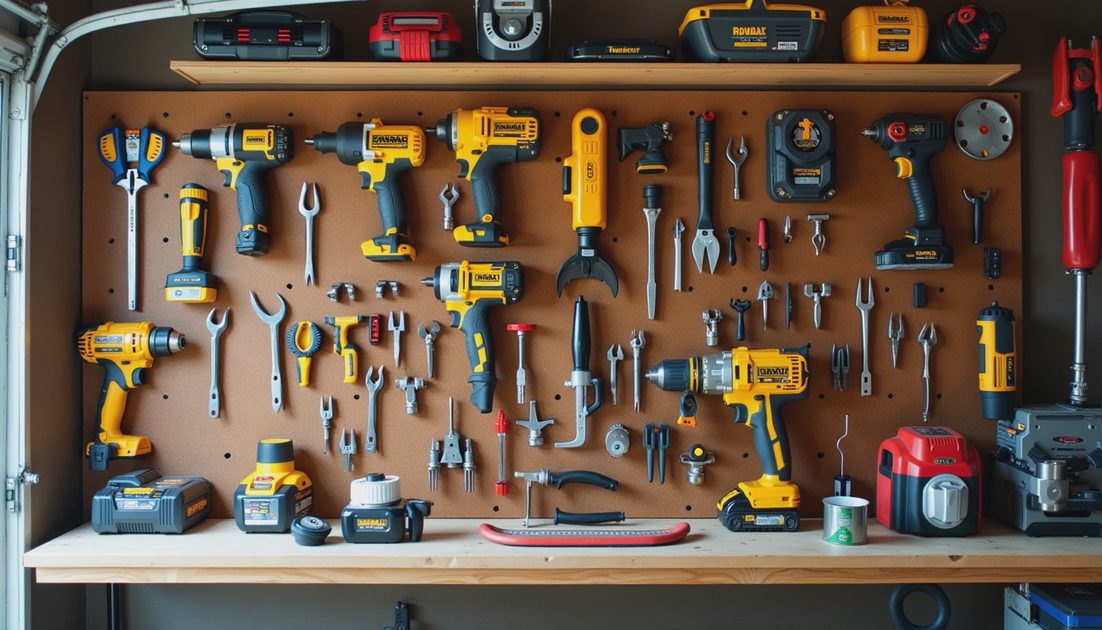
I’m a tool guy. Not the “buy every new gadget” type, but the guy who spends way too much time at Home Depot comparing specs and reading reviews. Over the last eight years and three houses, I’ve bought, returned, broken, and worn out more tools than most people do in a lifetime.
Early on I made the classic mistake: I bought cheap everything. Then I bought expensive everything. Now I have a much clearer line — some tools you can safely cheap out on, and others you really shouldn’t.
Tools I happily cheap out on
These are the ones where the performance difference doesn’t justify the big price jump for normal homeowner use.
Tape measures
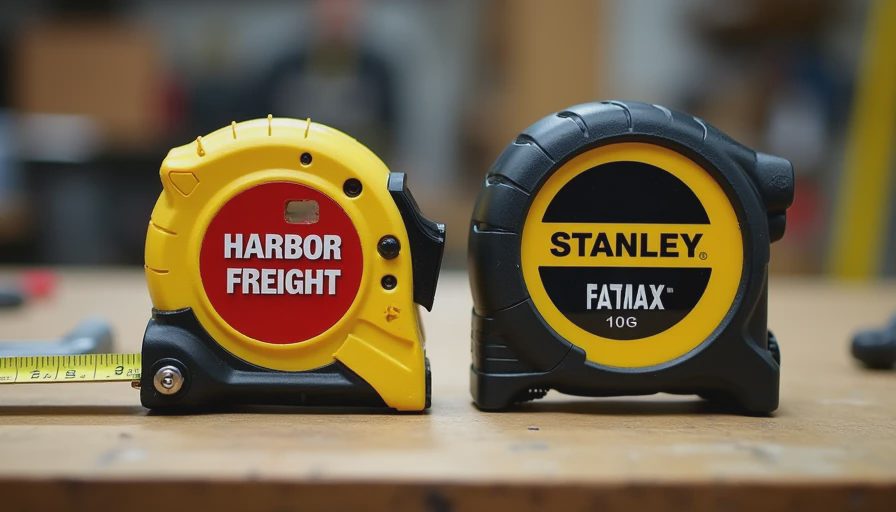
I still have the $6 Harbor Freight one I bought six years ago. It gets used almost every weekend. Yes, the locking mechanism feels a bit looser now, but it does the job. I keep one premium FatMax in the main toolbox for when I need precision, but I don’t stress about losing or damaging the cheap ones.
Basic screwdrivers and sockets
You need a full set, but you don’t need the $120 German set. I bought a solid Husky or Craftsman mechanics set on sale for around $40-60. They’ve survived hundreds of projects. The really expensive ones feel nicer in the hand, but the work gets done either way.
Paint brushes and rollers
For walls and ceilings, the $8-12 brushes from Home Depot work fine. I clean them properly and they last multiple rooms. I only spend more on brushes when doing detailed trim work with oil-based paint.
Utility knives and blades
I buy the bulk packs of blades. They’re sharp enough. I go through them anyway because I use them for everything from cutting drywall to opening Amazon boxes.
Clamps (the regular bar clamps)
I have a mix of cheap ones and a few nicer Irwin ones. For most holding jobs around the house, the budget versions hold just fine. I only invested in better parallel clamps when doing serious cabinet work.
Extension cords (regular duty)
As long as they’re properly rated for the tool, the cheaper yellow ones from the big box store are okay for intermittent use. Just don’t buy the absolute thinnest junk.
The tools where I stopped cheaping out
These are the ones that either affect safety, final quality, or my sanity. I learned these lessons by doing it wrong first.
Safety gear
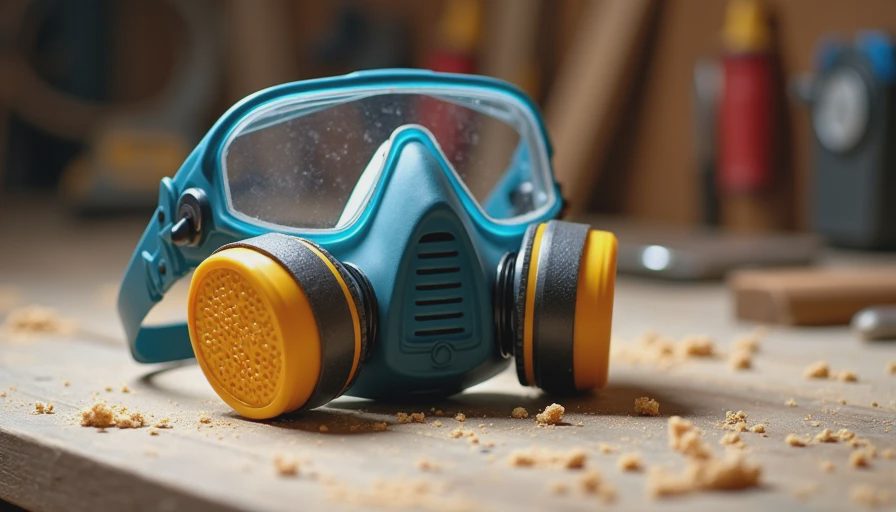
This is non-negotiable. I used to buy the cheap dust masks from the paint aisle. Then I started getting headaches and realized I was breathing in a lot of junk. Now I use a proper half-face respirator with P100 filters for anything dusty or chemical. Same with safety glasses — I bought the cheap ones that fog up and slide down. Switched to decent ones with anti-fog coating. Your eyes and lungs are worth it.
Cordless drill / impact driver
This one hurt. I bought a cheap no-name 12V drill first. It struggled with basic tasks and the battery died after a year. Then I stepped up to a mid-tier DeWalt or Milwaukee 20V system. The difference in power, runtime, and durability is massive. I still regret not buying a good set earlier. One solid impact driver has saved me more time and frustration than I can count.
Circular saw and blade
Cheap saws vibrate like crazy and cut crooked. I fought with one for two houses before upgrading. A good saw with a quality Diablo or Freud blade makes clean, straight cuts that actually look professional. The cheap blade + cheap saw combination wasted more material than the price difference.
Level
A $4 bubble level lies to you. I learned this the hard way when I installed a whole wall of floating shelves that looked slightly off. Now I have a good 4-foot level and a smaller torpedo level. When something needs to be straight, these are worth the money.
Ladder
This one scares me. I used a wobbly cheap ladder for years. After almost falling while painting the exterior, I bought a solid Little Giant or equivalent. Stability and safety features matter when you’re 12 feet up with paint or tools.
Multimeter and voltage tester
When dealing with electricity, I don’t mess around. A decent Klein or Fluke tester gives me confidence. The $12 no-name ones sometimes give false readings. Not worth the risk.
How I decide now before buying
I ask myself four questions:
Will a cheap version genuinely affect safety?
How often will I actually use this tool?
Does the cheap version do 80% of what the expensive one does for normal homeowner jobs?
Is this something I’ll keep for 5+ years?
If it’s safety or daily driver, I spend. If it’s occasional and low risk, I cheap out.
My current tool philosophy
I’m not trying to build a professional workshop. I’m a homeowner with a wife, two kids, and a normal budget. My garage has a mix — some Harbor Freight, some DeWalt, some Milwaukee, and a lot of “good enough” stuff.
Wendy sometimes teases me about the tool wall. She’s right — I do have too many drills. But every single one on that wall has a reason for being there, and I know exactly when to reach for the cheap one versus the good one.
Real results after three houses
The money I saved on the “cheap out” items let me invest in the important ones. My projects look better, take less time, and I’m not constantly replacing broken junk.
I still walk the aisles at Harbor Freight and pick up consumables and basic items. But when it comes to anything that touches electricity, sits on a ladder, or affects the final look of the house, I’ve learned to spend wisely.
You don’t need every tool to be top-of-the-line. You just need to know which ones actually matter in real life.
I’ve already made the expensive mistakes for you. Learn from them.
Don’t worry, it’s not expensive to be smart about tools.





No letters yet — pray write the first.