The first time our toilet kept running for 30 minutes straight, I called a plumber without thinking. He spent 12 minutes in the bathroom and charged me $187. The fix? He jiggled the handle and replaced a $9 flapper. I felt like an idiot.
That moment changed how I approach every problem in the house. Now, before I pick up the phone, I run through my own diagnosis checklist. It has saved me hundreds of dollars on service calls across three houses. More importantly, it helps me understand when something is actually beyond my skill level.
I’m not telling you to become a full DIY hero. Some jobs are dangerous or too complicated. But a lot of “I need a pro” situations are just things you can diagnose first.
Why most homeowners call too early
We panic when something breaks. Water leaking, no heat, strange noises — it feels urgent. Contractors know this. They charge premium rates for emergency calls because they know most people won’t even try to look first.
In my experience, about 40% of the service calls I used to make could have been avoided with 15-30 minutes of safe checking. The other 60% still needed a pro, but at least I could explain the problem clearly and avoid being upsold.
The key is having a repeatable process instead of guessing.
My standard homeowner diagnosis checklist
I use the same basic steps for almost every issue:
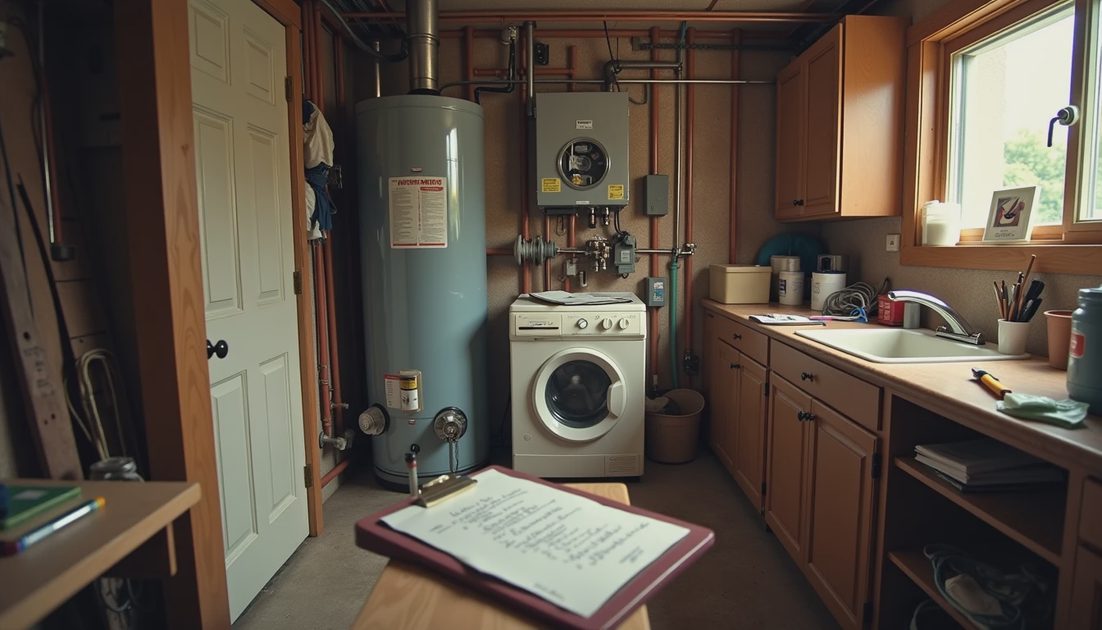
Safety first Turn off water, power, or gas at the source if there’s any risk. I keep a clear plastic sleeve in the garage with “Emergency Shutoff” instructions for our house.
Observe and document What exactly is happening? When did it start? Is it constant or intermittent? Any recent changes (new appliance, storm, renovation)? I take photos and notes.
Check the obvious Reset buttons, breakers, batteries, filters. Clean what can be cleaned.
Isolate the problem Try to narrow it down. Is it only one fixture or the whole house? One outlet or the whole circuit?
Research the exact symptom I search for the model number + symptom. Manufacturer manuals are gold.
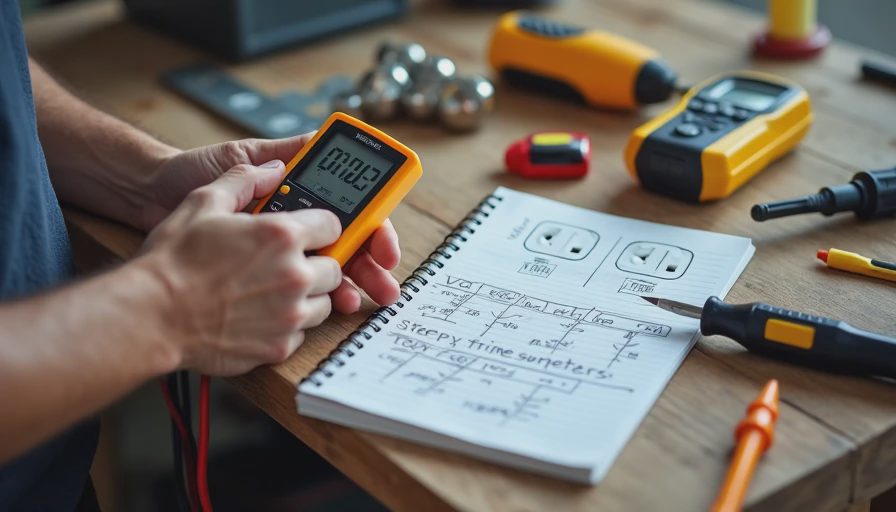
Test safely with basic tools Multimeter, voltage tester, flashlight, gloves, and a good headlamp.
Decide: DIY, monitor, or call pro
This checklist sounds simple, but following it consistently makes all the difference.
Real example: Running toilet
Let’s use the toilet that cost me $187 as an example.
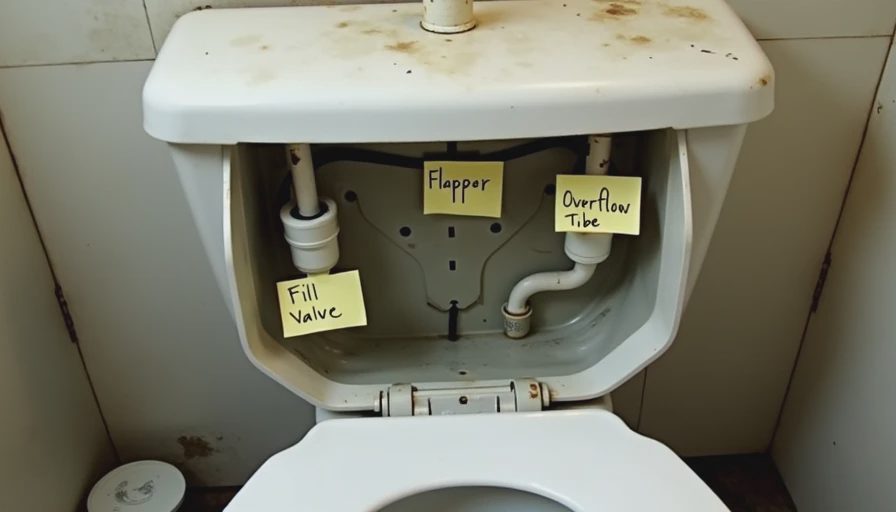
First, I remove the tank lid. Most running issues are one of four things:
Flapper not sealing
Fill valve worn out
Overflow tube level wrong
Chain too tight or loose
I turn off the water supply under the tank, flush to empty it, then inspect the flapper. If it looks worn or has mineral buildup, I replace it for under $15.
On our current house, the running toilet was the fill valve. I watched a 4-minute video specific to that model, shut off the water, unscrewed the old valve, and installed the new one in 25 minutes. Total cost: $22. The same repair would have been $150–$250 from a plumber.
Real example: Water heater acting strange
Last winter our water heater started making loud banging noises and only gave lukewarm water.
I didn’t call anyone immediately. Instead:
Checked the thermostat setting (it was fine)
Inspected the power supply and breaker
Drained a few gallons from the bottom to check for sediment (there was some)
Tested the heating elements with a multimeter
Turned out the lower heating element was burned out. I replaced both elements and the thermostat while I was in there for about $80 total. A plumber would have charged $500–$700 for the same work.
Electrical issues – be extra careful
Electricity scares most people, including me. But basic diagnosis is safer than you think if you follow rules.
I always use a non-contact voltage tester first. Never assume power is off. For outlets, I test with a multimeter. If a whole circuit is dead, I check the breaker, then the GFCI outlets that might be upstream.
One time in our basement, half the outlets stopped working. I traced it to a tripped GFCI behind the washing machine. Reset it and everything came back. Saved another unnecessary electrician visit.
When I stop and call a pro immediately
Not everything should be DIY. I call right away for:
Gas smell or suspected gas leak
Active flooding that I can’t stop
Electrical burning smell or sparking
Structural issues (cracks in foundation, sagging ceiling)
Anything involving the main sewer line
Problems after I’ve already tried the basic fixes and failed
For everything else, I give myself a reasonable time box — usually 30 to 60 minutes of diagnosis and safe repair attempt.
Building your own basic tool kit for diagnosis
You don’t need a full workshop. Start with:
Good flashlight or headlamp
Non-contact voltage tester ($15)
Digital multimeter ($25–$40)
Adjustable wrench and screwdrivers
Toilet auger and plunger
Pipe leak detector (optional but useful)
These tools have paid for themselves many times over.
The mental shift that saves the most money
The biggest change wasn’t the tools or checklist. It was accepting that it’s okay to take time to figure things out. Homeownership isn’t a race. The pros want you to feel helpless so you call them faster.
Wendy sometimes reminds me not to go too far down the rabbit hole. There’s a balance. I’ve gotten better at recognizing when I’m in over my head.
After using this approach for the last few years, I’ve avoided at least a dozen service calls. Even when I do call a pro, I can describe the problem accurately, which often means faster and cheaper repair because they don’t need to spend time diagnosing.
Start small and build confidence
Don’t begin with your biggest problem. Start with something low-risk like a running toilet, clogged shower drain, or flickering light. Each time you successfully diagnose and fix something, your confidence grows.
I still learn new things with every project. The house is 1995 vintage — it has surprises. But now I face them with a plan instead of panic.
You don’t need years of experience. You just need a systematic way to look at problems before throwing money at them.
I’ve already dealt with this for you through plenty of trial and error. Use the checklist, stay safe, and only call when you truly need to.
The money saved is enough to buy a case of beer. Maybe even take Wendy out to dinner.
Don’t worry, it’s not expensive to check first.




No letters yet — pray write the first.