If you own a house, you already know that homeownership comes with a never-ending to-do list. But here’s the thing I wish someone had told me when I bought my first place: **homeowner maintenance** isn’t just about avoiding disaster—it’s about saving money, keeping your house comfortable, and actually enjoying your weekend instead of scrambling to fix something that broke because you ignored it. I’ve been through three houses in eight years, and every single time, a little regular care would have saved me hundreds (sometimes thousands) of dollars and a lot of stress. Let me walk you through what matters, what doesn’t, and how to stop feeling like your house is running you.
Why Homeowner Maintenance Matters More Than You Think
Most homeowners only think about maintenance when something goes wrong. That’s like waiting for your car to overheat before checking the oil. A little effort every season can prevent major issues like water damage, mold, or a failed HVAC system. For example, I once ignored a slow drip under my kitchen sink because I figured it wasn’t urgent. Six months later, I had a rotted cabinet and a $800 repair bill. That’s a hard lesson. Regular maintenance also keeps your home’s value up—if you ever sell, buyers will appreciate a well-cared-for house. And honestly, it’s just less stressful to fix a tiny crack now than to deal with a full-blown foundation problem later.
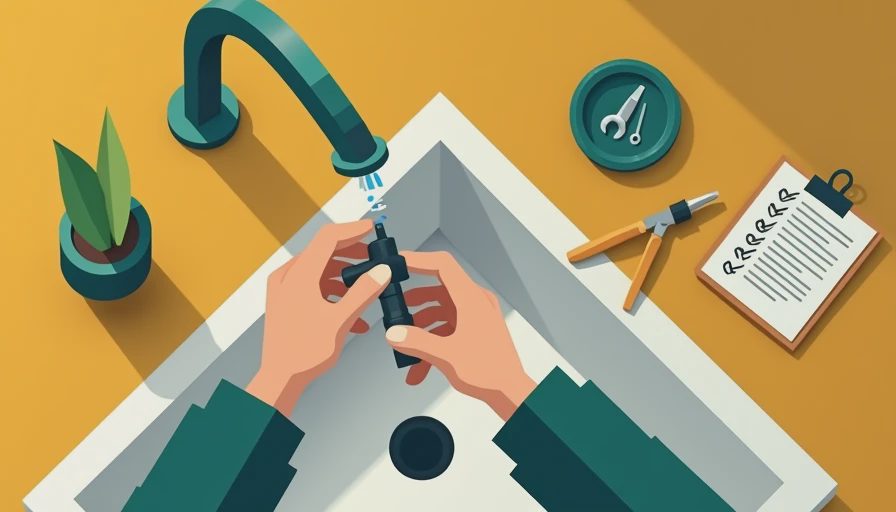
Seasonal Homeowner Maintenance Checklist
I’ve learned that breaking maintenance into seasons makes it manageable. You don’t have to do everything at once.
**Spring:** Check your roof for missing shingles after winter storms. Clean gutters and downspouts. Inspect your AC unit and replace the filter. Walk around your foundation and look for cracks. Also, test your sump pump if you have one.
**Summer:** Trim trees and shrubs away from the house. Check window screens for holes. Inspect your deck or patio for loose boards. And don’t forget to flush your water heater—sediment buildup can cost you efficiency.
**Fall:** This is the big one. Clean gutters again, especially if you have trees. Have your furnace serviced before you need it. Seal any gaps around windows and doors with weatherstripping or caulk. Drain outdoor hoses and shut off outdoor faucet valves to prevent frozen pipes.
**Winter:** Monitor your attic for ice dams. Keep snow away from your foundation. Change HVAC filters monthly. And if you have a humidifier on your furnace, clean it regularly so you don’t get mold.
I keep a simple spreadsheet with tabs for each season. It’s not fancy, but it works.
DIY vs. Hiring a Pro: How to Decide
One of the hardest things about homeowner maintenance is knowing what you can handle yourself and what you should pay someone else to do. I’ve made both mistakes—trying to fix a leaky toilet myself (it took three trips to the hardware store and a plumber anyway) and calling a contractor for a simple gutter cleanout that cost me $150. Here’s my rule of thumb: if it involves electricity, gas, or potential water damage, call a pro unless you really know what you’re doing. Everything else—changing filters, cleaning gutters, painting, caulking, checking smoke detectors—most homeowners can handle with a little research and basic tools. Don’t be afraid to watch a YouTube video first. I’ve saved thousands by learning to do my own minor plumbing and drywall patches. And when you do hire someone, get three quotes and ask plenty of questions.

Budgeting for Homeowner Maintenance
Here’s a number that shocked me: most experts recommend setting aside 1% to 4% of your home’s value every year for maintenance. For a $300,000 house, that’s $3,000 to $12,000. That sounds like a lot, but break it down—that’s $250 to $1,000 a month. If you can’t swing that, start small. Even $50 a month into a dedicated savings account adds up. I use a separate high-yield savings account labeled “House Stuff,” and every time I do a project myself, I deposit what I would have paid a contractor. That covers the big stuff when it pops up. And let’s be honest: you will have big stuff. A new roof, a furnace, a water heater—they all have a lifespan. Planning ahead keeps you from going into debt for an emergency repair.
Common Homeowner Maintenance Mistakes to Avoid
I’ve made plenty, so you don’t have to. First, don’t ignore small problems—that tiny leak or weird noise will not disappear. Second, don’t skip seasonal tasks because you’re busy. I once went two years without cleaning my gutters, and I ended up with water seeping into my basement. Third, don’t buy cheap tools or materials to save a few dollars. A $10 caulking gun that leaks will cost you more in wasted caulk and time. Invest in a good one. Fourth, don’t assume your home warranty covers everything. Read the fine print. And finally, don’t be afraid to ask for help—whether it’s a neighbor who knows how to solder copper pipes or a professional for the stuff that’s above your skill level.
Final Thoughts
Homeowner maintenance can feel like a chore, but it’s really just smart defense. A little work now keeps your home safe, saves you money, and makes you feel more in control. Start with one task this weekend—change a filter, check your smoke detector batteries, walk around your house and look for anything off. You’ll thank yourself later. And if you have questions, drop them in the comments. I’ve probably messed up the same thing you’re facing.
— Sam, an ordinary homeowner still struggling with the house.




No letters yet — pray write the first.