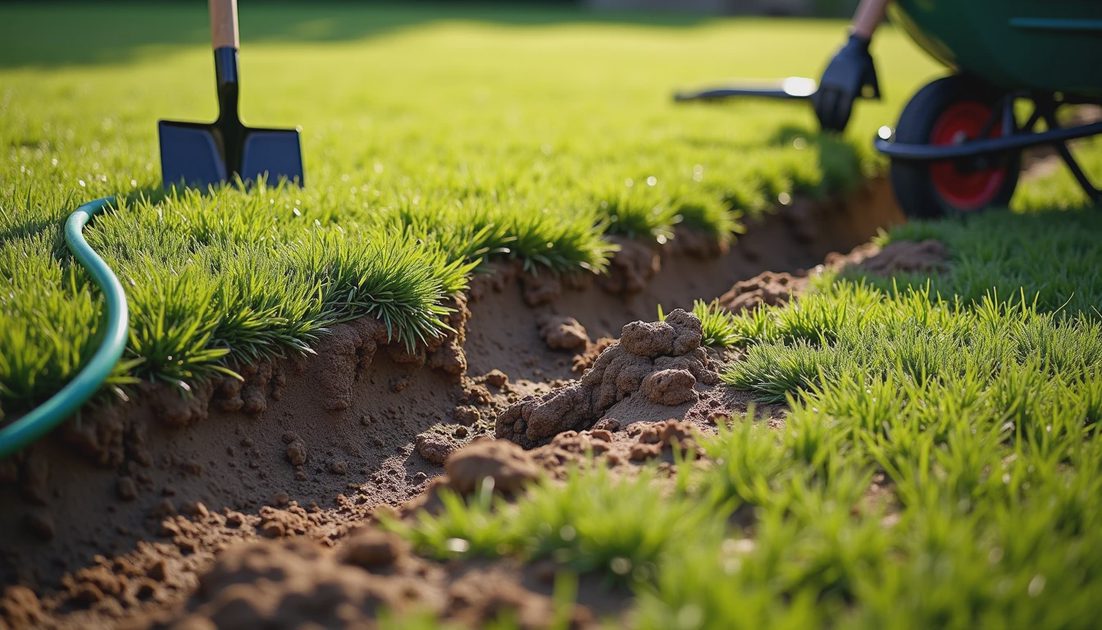
The first summer in our current house I killed the lawn so thoroughly that the neighbor across the street, Mrs. Henderson — a 78-year-old retired teacher — felt obligated to walk over and politely destroy my confidence.
“You know that’s not how you water, right?” she said, pointing at the brown patches spreading across the front yard like a bad rash.
I thought I was doing everything right. We had just moved into the 1995 colonial with the big backyard, and I wanted the lawn to look nice for the kids. So I did what most new homeowners do — I turned on the sprinkler every evening for an hour, threw down some cheap fertilizer from the big box store, and hoped for the best.
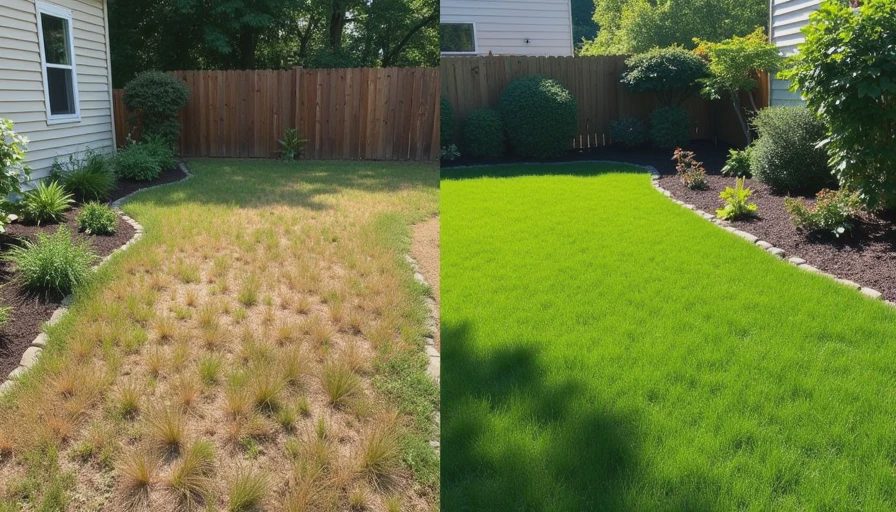
By mid-July the grass was mostly dead. What wasn’t dead was tall weeds. The kids were tracking mud into the house every day. Wendy gave me that look that said “you’re in charge of this now.”
That was my rock bottom lawn moment.
Everything I did wrong in year one
I made almost every classic beginner mistake possible:
First, I watered at the wrong time — evenings, which kept the grass wet overnight and encouraged fungus. Then I mowed too short because I thought it looked “neater.” I never tested the soil, just dumped generic fertilizer on it. And I completely ignored the fact that the soil in central Ohio is mostly clay with terrible drainage.
The result? Compacted soil, shallow roots, and grass that couldn’t survive even moderate summer heat. I spent over $400 on products and water bills that summer and ended up with something that looked worse than when we moved in.
The wake-up call
After Mrs. Henderson’s intervention, I swallowed my pride and asked her for advice. She told me to stop guessing and start with a soil test. I ordered a basic kit online and sent samples to the local extension office.
The results were brutal. Our soil had almost zero organic matter, very low nitrogen, and a pH that was way too high. Basically, the grass never had a chance.
That report became my starting point. I went from “I’ll just throw some grass seed down” to actually researching what our specific yard needed.
Year two: The painful learning season
I treated the lawn like a science project that summer. Here’s what I actually did differently:
I aerated the entire yard in early spring — rented a machine and poked thousands of holes in the compacted clay. Then I top-dressed with compost to start building better soil structure. I adjusted the pH with sulfur based on the test results. I switched to slow-release organic fertilizer and applied it at the right times.
Watering changed completely. Instead of daily shallow watering, I trained the grass to get deep weekly soaks — about one inch of water per week, early in the morning.
Mowing height went from 2 inches to 3.5–4 inches. That small change made a massive difference in root depth and drought resistance.
I also stopped fighting the weeds with chemicals every week. I focused on thickening the grass so weeds had less room to grow.
It wasn’t perfect. There were still bare spots and I over-fertilized one section and burned it. But by the end of that summer the lawn looked… decent. Not magazine-worthy, but respectable.
Year three and beyond: Getting a little obsessed
Now I’m that dad who reads soil test reports. I do a full test every spring and fall. I keep a simple spreadsheet tracking pH, nitrogen, phosphorus, and potassium levels over time.
I’ve incorporated more clover and other beneficial plants that improve soil naturally. The kids helped me build three raised vegetable beds in the back — we grow tomatoes, peppers, basil, and mint every year. They love checking on “their” plants and picking fresh tomatoes for dinner.
What actually matters for most suburban lawns
After three years of messing with this yard, here’s my honest take:
Soil health beats everything else. Spend money on compost and amendments before fancy fertilizers.
Water deeply but infrequently. Shallow daily watering creates weak grass.
Mow higher. It’s the easiest win most people ignore.
Choose the right grass type. In central Ohio, a good tall fescue or Kentucky bluegrass mix works much better than the cheap seed I used first year.
Accept some imperfection. Our lawn isn’t a golf course. It has some weeds. The kids play on it. That’s more important than perfection.

Tools and products I actually use now
I keep it simple:
A good push mower (nothing fancy)
Aerator (rent once a year)
Soil test kit + local extension office tests
Compost spreader
Smart irrigation timer (worth every penny — I’ll do a full post on this later)
Broadcast spreader for fertilizer
I’ve tried the expensive lawn services too. They did okay, but once I learned the system, doing it myself saved money and gave me better results because I actually cared about this specific yard.
The family side of it
The best part now is watching the kids get involved. My 9-year-old helps with soil samples. The 5-year-old loves watering the garden beds (though she mostly just makes mud). Wendy appreciates that the yard no longer looks like a disaster zone when guests come over.
It went from a major source of stress to something we actually enjoy working on together on weekends.
Lessons for anyone with a struggling lawn
If your lawn looks bad right now, don’t panic. Most of us start in the same place. The biggest mistake is trying to fix everything at once with chemicals and hoping for a miracle.
Start with a soil test. Fix the basics — mowing height, watering schedule, aeration. Build the soil instead of just feeding the grass. Be patient. Grass takes time to recover.
I went from killing the lawn to having neighbors ask me what I did. That feels pretty good.
It’s still not perfect. There are still areas I fight every year. But it’s so much better than that first disastrous summer.
The money saved on not killing the grass again is enough to buy a case of beer. Or maybe a new garden hose.
I’ve already dealt with this problem for you — the hard, expensive, embarrassing way.
Don’t worry, it’s not expensive to start fixing it properly.





No letters yet — pray write the first.