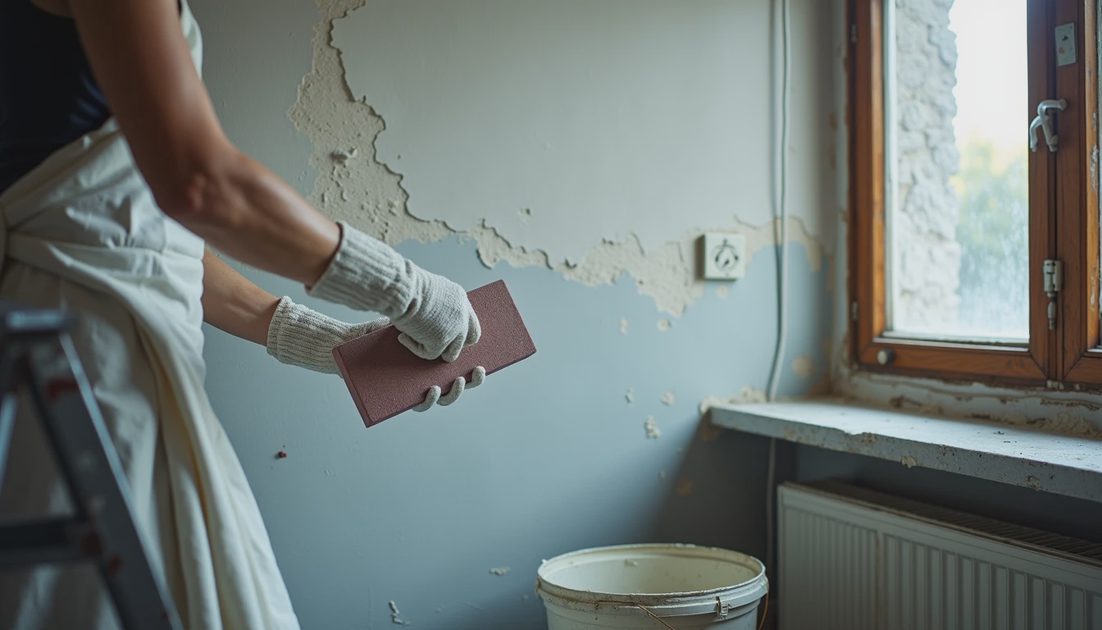
One of the most valuable skills I’ve developed after owning three houses isn’t how to fix things — it’s how to decide what’s worth fixing myself.
Early on I made two expensive mistakes: I tried to DIY things that were way over my head, and I paid professionals for jobs I could have handled myself. Both approaches hurt my wallet and my confidence.
Now I have a repeatable decision process. It has saved me thousands of dollars and kept me from doing anything dangerously stupid.
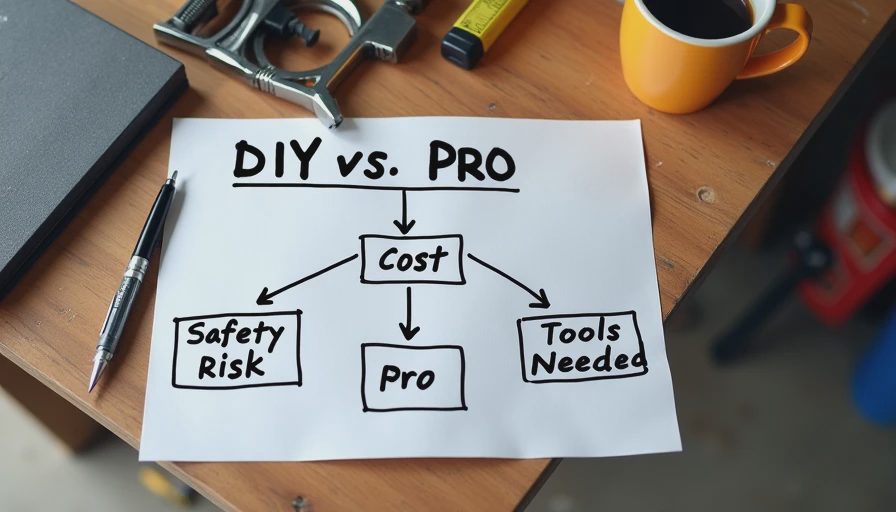
The basic decision framework I use every time
When something breaks or needs attention, I run through these questions in order:
Is there an immediate safety risk? Gas leak, active flooding, electrical burning smell, structural collapse risk — call a pro immediately. No debate.
Do I have the right tools and knowledge? Not having them doesn’t automatically mean call a pro, but it raises the difficulty level.
What’s the real cost of failure? If I mess this up, will it cause $50 damage or $5,000 damage?
How much will a pro charge versus parts cost? If the pro price is only 2-3x the parts, it might be worth paying.
Do I have time and patience right now? Tired + frustrated + complex job is a recipe for mistakes.
Is this something that will get significantly worse if left alone?
If I can answer these honestly, the decision usually becomes clear.
DIY territory — what I handle myself
These are the repairs I’m usually comfortable doing:
Plumbing
Running toilets, leaky faucets, shower heads, replacing supply lines
Unclogging drains with a snake or enzyme cleaner
Replacing a water heater element or thermostat
Electrical (limited)
Replacing outlets, switches, and light fixtures (after confirming power is off)
Resetting GFCIs and breakers
Installing smart switches or dimmers
General
Drywall patching, painting, caulking
Installing shelves, curtain rods, toilet paper holders
Appliance maintenance (cleaning coils, replacing filters)
Flooring touch-ups and minor trim work
Pro territory — I call someone
These situations almost always go to professionals now:
Gas lines or appliances
Any work involving natural gas. I had a close call on House #2 and never touched gas again.
Main electrical panel work
Or anything behind the main breaker. Not worth the risk.
Structural changes
Moving walls, installing beams, foundation cracks, roof work.
Sewer line issues
If the snake doesn’t fix it and you need a camera inspection, call a plumber with proper equipment.
HVAC
Anything beyond changing filters or basic thermostat wiring. Refrigerant work especially requires certification.
When I choose to “leave it alone”
This might be the smartest category of all. Not every issue needs immediate action.
Examples from my own house:
A small cosmetic crack in the basement wall that hasn’t grown in three years. I monitor it but don’t panic.
Slightly sticky interior door that functions fine. It’s on the list but not urgent.
The 1995 original bathroom exhaust fan that’s loud but moves air. Replacing it would require major ceiling work, so I tolerate it for now.
The key is honest assessment: Is this annoying or is it actually damaging the house?
Real examples from my three houses
House #1 – The $900 mistake
The garbage disposal stopped working. I tried to fix it myself, ended up flooding the cabinet and had to call a plumber anyway. Total cost: parts + plumber emergency fee. Should have just called from the beginning.
House #2 – The smart DIY win
Dishwasher leaking from the bottom. I diagnosed it as a failed drain hose connection. Replaced the hose and clamps for $28 in 40 minutes. A service call would have been $180-250.
Current House – The “leave it alone” decision
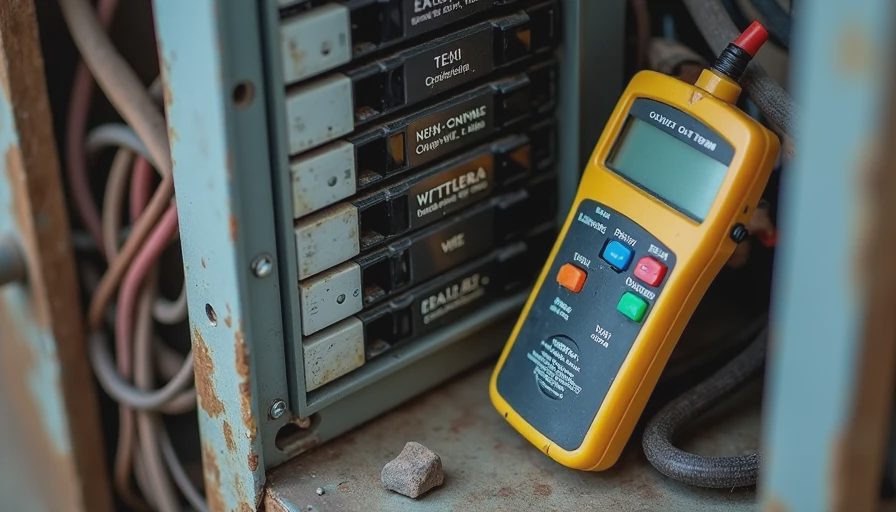
We have a hairline crack in one basement window well. It’s been there since we moved in. Water doesn’t enter, foundation isn’t affected. I check it every spring but otherwise leave it. Fixing it cosmetically would cost more than it’s worth.
My safety and skill boundaries
I’m willing to learn, but there are hard limits:
Never work on live electrical without proper testing
Never work at heights without good ladder and someone home
Never cut into walls without knowing what’s behind them (I use a stud finder and borescope now)
If the job requires permits in Columbus, I seriously consider hiring
Building the confidence to decide correctly
The more small repairs I successfully complete, the better my judgment gets. Each fixed toilet or replaced outlet adds to my mental database.
I also keep a simple notebook in the garage. When I finish a repair, I write down what I did, what parts I used, and how long it took. Over time this becomes incredibly valuable reference material.
Wendy helps too. She often asks the practical questions I forget — “If you mess this up, how bad will it look every day?” or “Do we really need to fix this right now?”
The money math I actually do
Before deciding, I run rough numbers:
Parts cost: $45
My time: 2 hours
Pro cost: $280
If I’m 80% confident I can do it right, I DIY. If I’m under 60% confident, I call the pro. Between 60-80% is case-by-case, usually depending on how busy I am.
The goal isn’t to do everything yourself. The goal is to stop overpaying for things you can handle and stop risking disaster by attempting things you shouldn’t.
After three houses, I’ve gotten much better at this judgment call. I still make mistakes sometimes, but far fewer than before. And when I do call a pro, I can describe the problem accurately, which usually means faster and cheaper service.
You don’t need to be a master repairman. You just need a clear process for deciding what’s worth your time and risk.
I’ve already dealt with this problem for you through years of trial, error, and expensive lessons.
Don’t worry, it’s not expensive to make smarter decisions.





No letters yet — pray write the first.