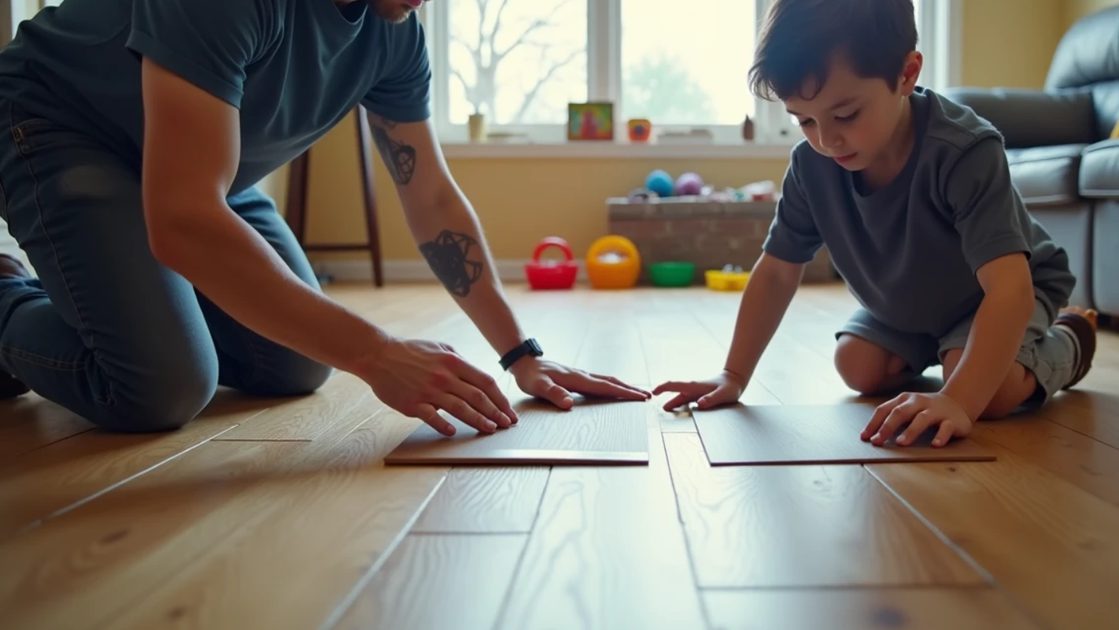
When we moved into our current 1995 house, the flooring was a disaster — old carpet in the bedrooms and dated laminate in the main areas that was starting to swell near the kitchen. With two young kids who spill, drop, and drag everything, I knew I needed something tough.
I had already installed laminate in House #1 and vinyl plank in House #2. For this house I went back and forth for weeks before deciding. After living with both materials in real family conditions, I now have very clear opinions.
Here’s my honest, no-marketing comparison.
The basic differences most people don’t understand
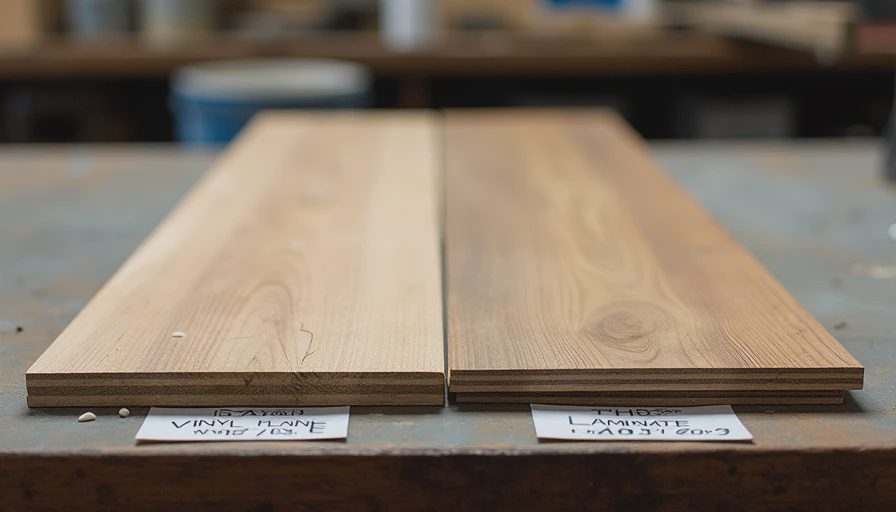
Laminate is basically a photo of wood printed on a fiberboard core with a clear wear layer on top. It’s floating floor, relatively cheap, and looks great when new.
Vinyl Plank (LVP - Luxury Vinyl Plank) is a plastic-based product with multiple layers, including a thick wear layer and usually a rigid core. It also floats, but handles moisture and impacts much better.
Durability with kids
This is the category that matters most to me.
Laminate looks beautiful out of the box but shows wear faster. In our first house, the laminate in the hallway developed visible scratches from toy cars and chair legs within the first year. When water spilled (which happens constantly with kids), it swelled at the edges and never recovered.
Vinyl plank is significantly tougher. In our current house I installed Coretec Plus vinyl plank in the main living areas and kids’ bedrooms. After two years of Hot Wheels races, dropped juice boxes, and occasional muddy shoes, it still looks very good. Scratches are much harder to see and it doesn’t swell when wet.
Water resistance
Vinyl plank wins easily. I’ve had multiple “accidents” — kids knocking over water bottles, plant watering overflows, even a small toilet leak. The vinyl cleaned up with no damage. Laminate from the previous house would have been ruined.
Installation
Both are floating floors and doable for a competent DIYer, but vinyl plank is more forgiving. It handles minor subfloor imperfections better and the planks click together more securely in my experience.
Laminate is a bit more finicky with humidity changes — it can expand and contract more, leading to gapping or buckling.
Cost
Laminate is generally cheaper upfront — usually $1.50 to $3 per sq ft.
Vinyl plank good quality runs $2.50 to $5+ per sq ft.
However, when you factor in longevity and less chance of having to replace it in 5-7 years, vinyl plank often becomes the better value for family homes.
Sound and feel
Laminate feels a bit harder and can be noisier, especially with kids running around. Vinyl plank has a slightly softer, quieter feel and works better with underlayment for sound dampening.
My real experience across houses
House #1 – Laminate
Installed in living room and hallway. Looked fantastic for about 14 months. Then the scratches accumulated, one big spill near the kitchen caused bubbling, and by year 3 it looked tired. We sold the house with the floors looking worn.
House #2 – Vinyl Plank
Installed in high-traffic areas. Survived two kids, a dog at the time, and multiple moves. When we sold, the floors still looked fresh. This experience made me a believer.
Current House – Vinyl Plank again
I chose a higher-end rigid core vinyl plank with 20 mil wear layer. Two years in, I have zero regrets. The kids drag chairs, drop metal toys, and occasionally spill drinks. The floor takes it and keeps looking decent.
What I look for when buying vinyl plank now
Rigid core (not flexible sheet vinyl)
At least 20 mil wear layer for family use
Good waterproof rating
Realistic texture (hand-scraped or embossed look)
Proper underlayment or attached pad
Pros and Cons Summary
Vinyl Plank Pros:
Excellent water resistance
More durable against scratches and impacts
Quieter and softer underfoot
Better long-term value in busy homes
Vinyl Plank Cons:
Higher upfront cost
Can look “plastic” if you choose cheap versions
Limited color options in some styles
Laminate Pros:
Lower cost
Can look very realistic when new
Easier to find wide plank styles
Laminate Cons:
Poor water resistance
Scratches more easily
Can swell and buckle
Shorter lifespan in family conditions
My recommendation for busy families
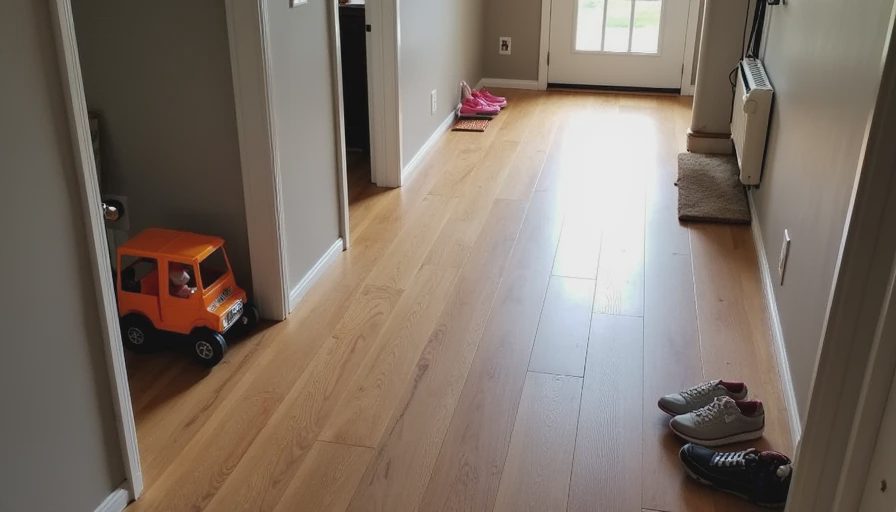
For a house with kids, I strongly recommend quality vinyl plank over laminate in most living areas. The extra money upfront pays for itself in durability and peace of mind.
I would still consider laminate in very low-traffic adult bedrooms if I was on a tight budget, but even then I’d lean toward vinyl.
In our current house, I used vinyl plank everywhere except the basement (where I used carpet) and I sleep better at night knowing spills won’t destroy the floor.
Installation tips from real experience
Always acclimate the material for 48-72 hours
Use proper underlayment
Leave proper expansion gaps
Use a good tapping block and pull bar
Buy 10% extra for cuts and mistakes
The bigger lesson
Flooring is one of those things you live with every single day. Cheap out too much and you’ll be looking at worn, ugly floors for years. Spend wisely on something durable and you’ll be much happier.
Wendy loves how the current floors look and how easy they are to clean. The kids don’t have to be overly careful. That combination makes daily life better.
I’ve already made the flooring mistakes in previous houses. You don’t have to.
The money saved by not replacing floors every few years is enough to buy a case of beer. Or maybe fund that next tool I’ll inevitably bring home from Home Depot.
Don’t worry, it’s not expensive to choose the right material once you know what actually works.





No letters yet — pray write the first.