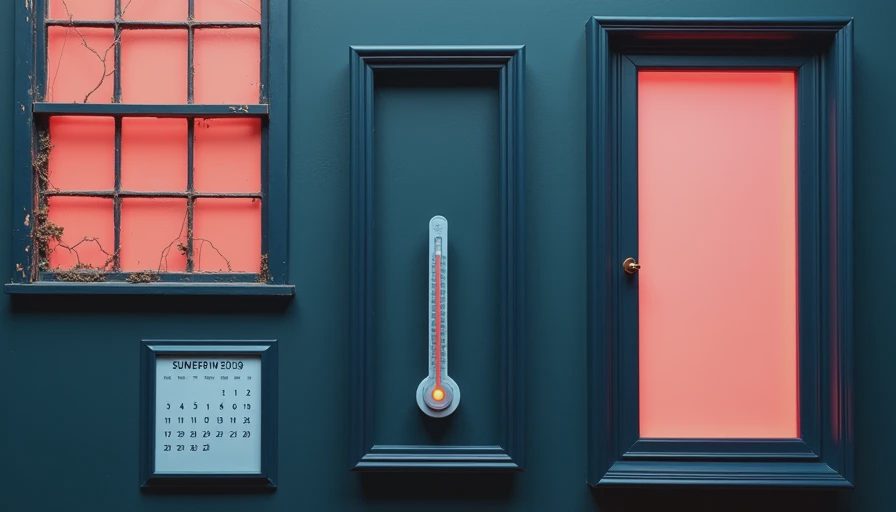
I’ve owned three houses over the last eight years, and every single one had windows that made me ask, “When should I replace my windows?” The short answer: when they’re costing you more in energy, comfort, and repairs than a new set would. But that’s not always obvious, and replacing windows isn’t something you want to do on a whim. It’s expensive, disruptive, and easy to get wrong. I’ve been through it twice (once with a pro, once as a DIY), and I’ve got the receipts—both literal and figurative.
The Obvious Signs It’s Time
Some problems are hard to ignore. If your windows are painted shut, have broken glass, or won’t open at all, you’ve got a clear fix-it-or-replace-it moment. But even if they open, look for rot. Push a screwdriver into the wood frame around the glass—if it sinks in like butter, that window is done. I had two windows in my first house that looked fine from the inside, but the sills were completely rotten underneath the paint. That’s a classic “replace me” signal.
Another obvious sign: visible condensation between the panes. If you have double-pane windows and see fog or water inside the glass, the seal has failed. That means the gas between the panes is gone, and your window’s insulation value is shot. You might get a few more years out of it, but you’re losing energy every day.
The Not-So-Obvious Signs: Drafts, Noise, and Cold Walls
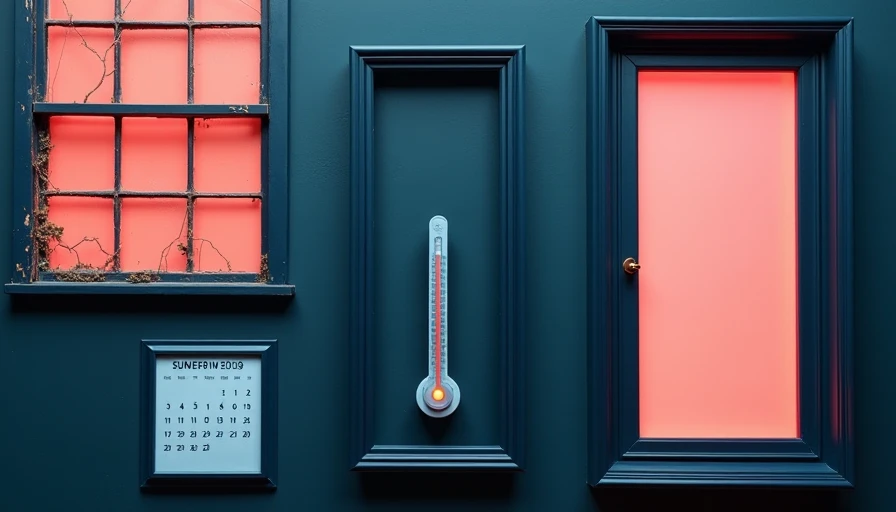
You don’t always see a problem—you feel it. Stand next to your windows on a cold winter day. If you feel a draft even with the windows closed, the weatherstripping or caulk has failed. Sometimes it’s a cheap fix, but if the whole frame is shifting or warped, replacement is the better move.
Noise is another clue. If you can hear every car, lawnmower, and neighbor conversation, your windows aren’t doing their job. New windows can cut outside noise dramatically. In my current house, we replaced a big picture window that faced the street, and the quiet was shocking.
Also pay attention to cold walls. If the wall below your window feels ice-cold in winter, that means no insulation—or the window itself is acting like a heat sink. Covering it with heavy curtains helps, but it’s a band-aid. When should I replace my windows for comfort? When you’re constantly adjusting the thermostat because one room feels like a freezer.
Energy Bills Tell the Truth
Your monthly utility bill doesn’t lie. If your heating and cooling costs keep creeping up year after year, and you’ve sealed leaks and added attic insulation, old windows are the likely culprit. According to Energy Star, replacing single-pane windows with double-pane ones can save you 20–30% on energy bills. I saw a $40/month drop after swapping out seven old single-pane windows in my second house.
Don’t wait for a crisis. Track your bill over a full year. If you’re spending more than $200–$300 a year in heat loss through windows, new ones pay for themselves faster than you think. I ran the numbers: a $5,000 window replacement with an annual $480 savings means the payback is just over ten years. And that’s not counting comfort, curb appeal, and fewer repairs.
How Much Does Window Replacement Cost?
Let’s talk money. A standard double-pane vinyl window installed by a pro runs $500–$800 each, depending on size and brand. Full-frame replacements cost more than insert replacements (where you slide the new window into the old frame). I’ve installed both. Inserts are cheaper and less messy, but you lose some glass area. Full-frame is better if the old frame is rotting.
DIY can cut the cost in half, but it’s not a beginner project. I did my own inserts on a Saturday with a friend, and we saved about $2,000 on six windows. But I’ve also seen homeowners mess up the leveling so badly that windows wouldn’t open. If you’re not handy, hire a pro. Get three quotes, check reviews, and ask for a detailed line item—I’ve been burned by vague bids that doubled on “unforeseen issues.”

DIY or Hire a Pro?
I’m a big fan of doing things yourself when it saves real money and isn’t dangerous. Window replacement sits right on the line. Insert replacements are doable if the old frames are square and not rotted. You need a hammer, pry bar, shims, caulk, a level, and about four hours per window. Watch a few YouTube videos, then ask yourself honestly: “Do I want my living room open to the outside for a week?” Because that’s what happens when you take out windows and then run into a problem.
If you’re doing full-frame replacement on a second story, or you have historic windows, call a pro. I learned that lesson when I cracked a second-story sash while trying to remove it. That was a $500 mistake—and a safety hazard.
My Take on When to Replace
Here’s my rule of thumb: when should I replace my windows? If they’re single-pane, over 20 years old, and you feel drafts or see condensation, do it now. The money you save on energy and the comfort you gain is worth the upfront pain. If they’re double-pane and under 15 years, a little caulk and weatherstripping might be all you need. But if the seals are failing or the frames are rotting, don’t wait—every season you delay costs you cash.
Replacing windows isn’t glamorous, but it’s one of those upgrades that pays off every month. I’ve never regretted doing it, and I’ve regretted putting it off in every house I’ve owned. So check your windows tonight. If you notice a draft or feel a cold wall, start getting quotes. Your future self (and your wallet) will thank you.
— Sam, an ordinary homeowner still struggling with the house.




No letters yet — pray write the first.