
If you're planning a home renovation, hidden fees renovation costs are probably the last thing you want to think about. But I've learned the hard way that ignoring them can turn a $15,000 kitchen remodel into a $22,000 nightmare. In this post, I'll walk you through the most common hidden fees renovation scenarios I've encountered across three house projects, and give you the tools to fight back. Don't worry, it's not expensive to protect yourself—just takes a little know-how.

The Most Common Hidden Fees Renovation Line Items
When I got my first bid for a bathroom gut job, the total looked reasonable. But then came the line items: permit fees ($400), disposal fees ($350), and a mysterious “admin fee” ($200). I hadn’t budgeted for any of them. Hidden fees renovation often hides in small print like this. Other common ones include trip charges for each phase of work, charges for moving furniture you thought was included, and re-stocking fees on returned materials. I’ve even seen contractors charge for “supervision” on days they weren’t on-site. The trick is to ask for a detailed, line-item quote before you sign. If a contractor won’t break it down, that’s a red flag. I’ve walked away from two bids because they refused to itemize—both later turned out to have horror stories on local Facebook homeowner groups.
How to Read a Contractor’s Quote for Hidden Fees Renovation
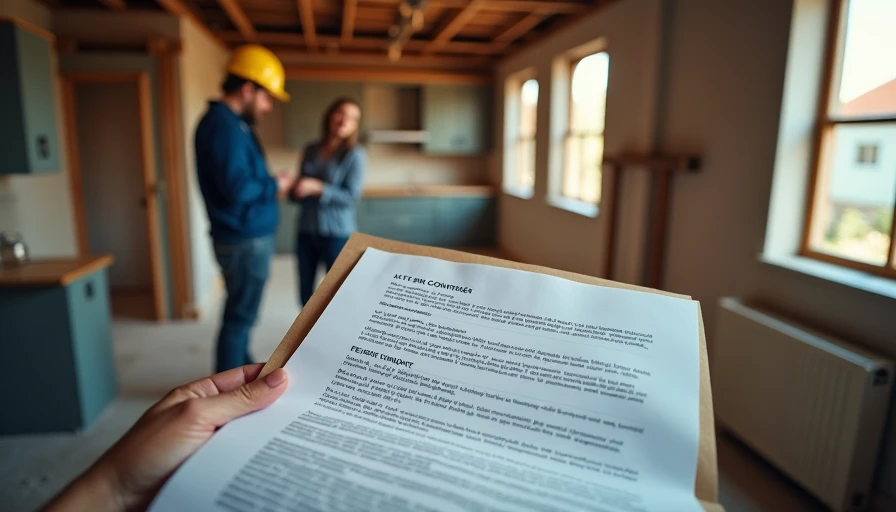
A standard quote often looks clean: total price, maybe a few lines like “demo, install, materials.” But hidden fees renovation hides in the vagueness. Here’s what I look for now: Is there a clause about material price increases from the supplier? A lot of contractors will quote materials at today’s price but reserve the right to charge you more if lumber or tile goes up. That’s a hidden fee waiting to happen. I also check for “change order minimums”—some contractors charge $200 just to come back and discuss a small change, even if you end up not changing anything. The best protection is a fixed-price contract with a clear scope of work. On my last project, I insisted on a clause that said any change order under $100 is free, and anything above requires a signed estimate first. It saved me from nickel-and-diming.
Why Material Markups Are a Hidden Fees Renovation Trap
Contractors often mark up materials by 20% to 30%—that’s standard. But what’s not standard is when they don’t tell you. I once had a bid that listed “materials: $8,000.” When I asked for the supplier receipts, the actual cost was $5,800. The difference was a hidden fees renovation markup for profit. Some contractors also charge you full retail and then pocket the trade discount they get from lumberyards. To avoid this, ask for a material allowance or negotiate to pay for materials directly. Not all contractors will agree, but the good ones will show you the receipts. If they push back, you’re likely overpaying. On my second house, I offered to handle all material purchasing myself—saved about $1,500 on a $10,000 project. It meant more trips to Home Depot, but the money saved is enough to buy a case of beer.
What to Do When You Discover Hidden Fees Renovation Mid-Project
Discovering hidden fees renovation after work has started is stressful, but you have options. First, don’t authorize anything extra until you get it in writing. Verbal change orders are a common way hidden fees creep in. Second, refer back to your contract—if the work was already listed in the scope, you shouldn’t be charged again. I once had a contractor try to charge me extra for “subfloor leveling” that was clearly in the original scope. I pointed to the line item and said no. Third, if you’re dealing with an unreasonable charge, offer to split the difference or pay for materials only. Most contractors want to keep the job moving and will negotiate. If things get ugly, you can always file a complaint with your state’s contractor licensing board. I’ve never had to go that far, but knowing I could gave me leverage. The key is to stay calm, know your contract, and don’t let hidden fees renovation ruin your relationship with the crew.
How to Prevent Hidden Fees Renovation Before You Even Start
Prevention is better than fighting. Before you sign anything, get at least three bids and compare them line by line. Look for outliers—if one bid is much lower, it’s probably because they left out common fees. Ask each contractor for references and call them. I always ask past clients: “Did they stick to the original quote? Were there any surprise charges?” That question has saved me twice. Also, set aside a contingency fund of 10% to 20% of the total budget for unexpected issues that aren’t hidden fees—like discovered rot or old wiring. But don’t let that contingency become a blank check for hidden fees renovation. I track every expense in a spreadsheet, and I have the contractor initial each day’s work log. It sounds over the top, but when a dispute arises, you have proof. Don’t trust those marketing accounts that say renovation can be stress-free—it’s work. But with these strategies, you can keep hidden fees renovation from becoming a nightmare.
Don’t let hidden fees renovation catch you off guard. Download our free contractor quote checklist before you sign anything. — Sam, an ordinary homeowner still struggling with the house.




No letters yet — pray write the first.