If you want real **home renovation tips**, start with this: the expensive mistakes usually happen before a single wall gets opened. I’ve learned that the hard way across multiple houses, and most regret comes from bad planning, vague quotes, rushed material choices, and trying to do a pro-level job with beginner-level time. The good news is that a smarter renovation does not have to mean a bigger budget. It usually means slowing down long enough to make a few solid decisions before the dust starts flying.
Start with the boring stuff, because that is where the money leaks out
Nobody wants to begin a renovation by staring at a spreadsheet in the kitchen, but that is exactly where you should start. Before you pick paint colors, tile, or light fixtures, figure out your total budget, your must-do items, and your walk-away number. If you have $20,000 for a project, do not shop like you have $28,000. That gap is where homeowners get trapped into financing extras they did not plan for.
I like to split a project budget into three buckets: core work, finish materials, and contingency. Core work is labor, demolition, rough plumbing, electrical, drywall, and anything structural. Finish materials are cabinets, flooring, faucets, vanities, lighting, and trim. Contingency is the money that saves your sanity when an old house does old-house things. On most projects, keeping 10% to 15% aside is just smart, not paranoid. Don’t worry, it’s not expensive. It is cheaper than panicking halfway through.
A lot of home renovation tips skip this part because it is not exciting. That is a mistake. A renovation budget is what protects you from emotional spending.

Get better quotes and stop rewarding vague contractors
One of the best **home renovation tips** I can give you is to treat every contractor quote like a document that needs translating. If a bid says “bathroom remodel: $14,500” with almost no detail, that is not a real quote. That is a setup for change orders later.
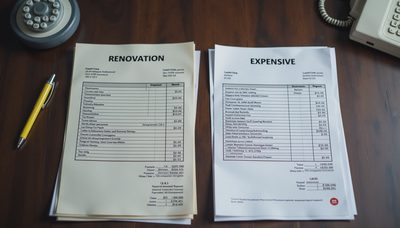
Ask for line items. You want to see demolition, disposal, framing if needed, plumbing labor, electrical labor, waterproofing, tile installation, fixture installation, paint, trim, and cleanup. Materials should be listed clearly too. If one contractor is $4,000 cheaper than the others, make sure they are not simply excluding half the project on paper.
I also like to ask one annoying but useful question: “What is not included here?” That question gets you closer to reality fast. You will find out whether permits, subfloor repair, patching nearby walls, or hauling debris are extra. I’ve already dealt with this problem for you.
And yes, get at least three quotes. Not because every cheap bid is good, but because patterns show up. If two are around $18,000 and one is $11,000, there is a reason. Either the scope is different, or the pain is delayed.
Pick materials for real life, not for the showroom five-minute fantasy
Showrooms are built to make average materials look magical under perfect lighting. Real houses have wet shoes, kids, dogs, heavy traffic, and somebody dropping a can off the pantry shelf. So when you are comparing flooring, counters, paint, or fixtures, think about maintenance first and looks second.
For example, in busy family spaces, luxury vinyl plank often makes more sense than cheap hardwood or bargain laminate. In bathrooms, decent porcelain tile and a proven waterproofing system matter more than a trendy finish. In kitchens, a mid-range faucet from Delta or Moen is usually a smarter long-term buy than a no-name online special that looks fancy for six months and then starts dripping.
This is where practical **home renovation tips** beat design trends. Flat paint can look great until fingerprints and scuffs show up everywhere. Open shelving can look clean online and then turn into dust storage in real life. White grout is beautiful for about ten minutes.

My rule is simple: buy the stuff you will touch, clean, and repair as if you actually live there. Because you do.
Know what is worth DIY-ing and what is not
A lot of renovation content makes every project look like a weekend victory. That is nonsense. Some jobs are absolutely worth doing yourself. Others can go sideways fast and cost more to fix than to hire out correctly the first time.
Good DIY candidates for many homeowners include painting, basic trim, hardware swaps, caulking, demo that does not affect structure, simple shelving, and installing some light fixtures if you know how to shut off power and work safely. These jobs can save hundreds or even a couple thousand dollars across a project.
But if you are talking about moving plumbing lines, replacing a service panel, cutting load-bearing framing, full shower waterproofing, or anything that can create a fire or leak inside the walls, bring in a pro. There is no shame in that. Smart homeowners are not the ones who do everything themselves. They are the ones who know when a mistake would be expensive.
Among all the **home renovation tips** out there, this one matters most for budget: use DIY to reduce labor on the edges of a project, not to gamble on the critical systems.
Renovate in the right order so you do not pay twice
Bad sequencing is one of those hidden budget killers nobody warns you about until you live through it. If you install new floors before messy drywall work, you risk damage. If you paint before electrical changes, expect touch-ups. If you order custom cabinets before confirming final measurements, that is how expensive phone calls happen.
A safer order usually looks like this: planning, quotes, permits if needed, demolition, structural or rough work, inspections where required, drywall and patching, flooring, cabinets and built-ins, trim, paint, fixtures, and final punch-list items. There are exceptions, but the point is to work from messy and invasive toward clean and finish-level.
This is also why **home renovation tips** should include lead times. Cabinets can take weeks. Windows can take longer. Tile you love can be out of stock the exact week your contractor needs it. Ordering key items early keeps your job from stalling while labor sits idle or moves on to someone else’s house.
The money saved by good sequencing is enough to buy a case of beer, and more important, it saves your patience.
Focus on upgrades that improve daily life, not just resale fantasy
A lot of homeowners get pushed toward trendy upgrades that sound impressive but do not actually make the house work better. I would rather have a quieter bathroom fan, better kitchen lighting, solid drawer hardware, and a mudroom that controls clutter than one dramatic feature that photographs well once.
The best **home renovation tips** are the ones that improve ordinary days. Better insulation. A reliable toilet. Storage where you actually need it. Flooring that cleans easily. Exterior repairs that keep water out. These are not glamorous wins, but they pay you back every single week you live there.
If you are trying to decide what to tackle first, ask one question: what annoys us every day? Start there. That answer is usually more useful than resale speculation. And if you are hiring work out, stay organized, keep every quote and change in writing, and do not let anyone rush you into upgrades you do not understand.
A renovation goes better when you keep your head, protect your budget, and choose function first. That is not flashy advice, but it works. — Sam, an ordinary homeowner still struggling with the house.




No letters yet — pray write the first.