
I used to glance at the bottom line of a contractor quote and make a decision based on whether the total “felt” reasonable. That approach cost me thousands of dollars across my first two houses. Now I have a mental hit list — nine specific line items that I examine with a fine-tooth comb before signing anything.
Details determine success or failure
These aren’t minor details. They are where most of the padding, surprises, and profit shifts happen. Learning to read them properly turned me from an overwhelmed homeowner into someone who can negotiate with confidence.

1. Miscellaneous Labor / Additional Work as Needed
This is the king of all traps. On my first bathroom remodel, this line was listed at $4,200 with almost no description. When unexpected issues came up, they billed against it freely.
I now demand this line either be removed or broken into specific tasks with fixed prices. If the contractor says “you never know what we’ll find,” I reply that’s exactly why we have a contingency percentage instead.
2. Material Allowances
Vague allowances are silent budget killers. One quote had “$6,500 allowance for cabinets.” When we picked actual cabinets, the difference was another $4,800 that I had to pay on top.
I insist on itemized allowances: cabinets, countertops, flooring, fixtures, lighting, etc. Then I go price them myself at multiple stores before signing. Never accept a lump sum allowance.
3. Contingency / Unforeseen Conditions
A fair contingency is 5-10% maximum for older homes. Anything higher is a red flag. In my first house, they put 12% and then charged full price for every small discovery behind the walls.
I now cap it at 5-7% and require prior written approval for any work that uses the contingency. This single change saved me over $3,000 on the third house.
4. Waste Factors
They love adding 15-25% for “waste and overages.” Reasonable for tile or hardwood. Ridiculous for drywall or basic paint. On one flooring quote they wanted 22% waste. When I questioned it, they dropped it to 12% immediately.
Always ask for justification and examples from past similar jobs.
5. Labor Rates and Hours
Never accept lump sum labor prices without breakdown. “Install vanity – $1,650” tells me nothing. I want to see hourly rates and estimated hours per major task.
In Columbus, fair labor for skilled work usually falls in a certain range. If someone is quoting $180+/hour for basic tasks, I walk away or negotiate hard.
6. Change Order Markup
This one is sneaky. Many contractors charge 20-30% markup on any change orders. I now negotiate this down to 10-15% maximum and make sure it’s clearly stated in the contract.
Even better — I try to get as much scope locked in upfront so change orders are minimized.
7. Payment Schedule
I’ve seen some crazy schedules. One contractor wanted 50% upfront. Another asked for final payment before punch list items were completed.
My standard acceptable schedule is roughly:
30% on signing
30% after rough-in / demolition
30% after installation
10% after final walkthrough and all punch list items fixed
Never pay more than 35% upfront, and always hold back at least 10% until everything is truly finished.
8. Exclusions
This section is just as important as what’s included. I look for what they are specifically excluding and make sure nothing critical is missing.
On one kitchen quote, they excluded all electrical work even though it was obviously needed. That “surprise” would have added thousands later.
9. Warranties and Guarantees
Most quotes mention “warranty” but are vague. I want specific details: How long? What does it cover? Who honors it if the contractor disappears? Is it written or verbal?
Good contractors are happy to provide clear warranty language. The ones who aren’t are telling you something.
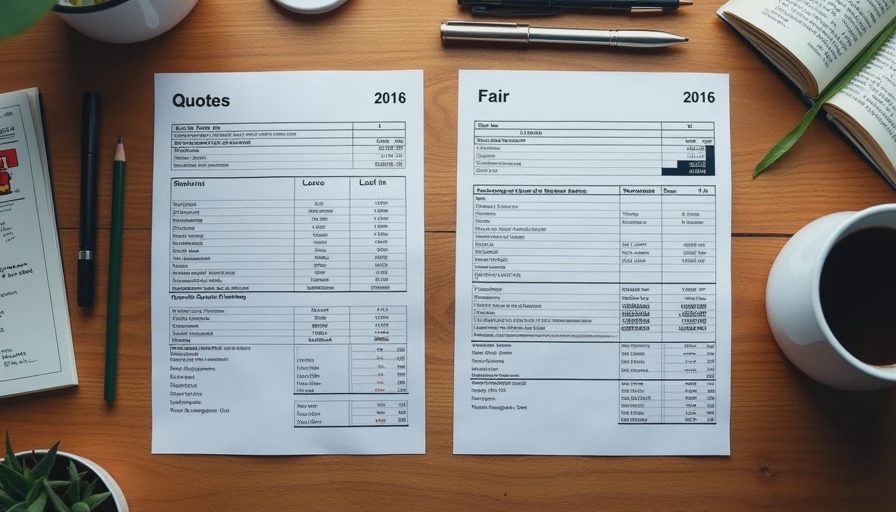
How I actually review a quote in practice
When a quote arrives, I follow this process:
Read the scope of work twice
Go straight to the nine items above and mark them
Create a simple spreadsheet comparing multiple quotes
Highlight anything unclear or unusually high/low
Send a detailed email with questions (never discuss in person first)
Negotiate the biggest red flags before moving forward
This process takes me about 45 minutes per quote now, but it has saved me more money than I can calculate.
Real example from our current house
Last year we got three quotes for a basement finishing project.
Quote A: $48,000 – very vague, high miscellaneous and contingency
Quote B: $41,000 – better detail but still padded allowances
Quote C: $44,500 – clearest breakdown, fair allowances, reasonable contingency
I took Quote C as the base and negotiated two items down further. Final signed price: $42,800 with much tighter language. The difference between the original vague quotes and the final negotiated one was significant.
Questions I always ask the contractor
Can you break down the miscellaneous labor into specific tasks?
What exactly is covered in each material allowance?
How do you calculate waste percentages?
What is your exact process for change orders?
Can I see examples of your work on similar projects from the last year?
The quality of their answers tells me everything I need to know.
Final truth
The cheapest quote is almost never the best. The most expensive one is rarely worth it either. The goal is finding the contractor who gives clear, honest pricing and has the experience to back it up.
I still get nervous when big numbers are on the table. But having this list of nine items gives me a fighting chance. It turns an intimidating document into something I can actually understand and control.
If you take nothing else from this post, at least start looking for these nine lines. Question them. Push back on the vague ones. Your bank account will thank you.
I’ve already dealt with this problem for you the hard way.
Don’t worry, it’s not expensive to ask better questions.




No letters yet — pray write the first.