
Three years ago I walked into Home Depot and dropped $329 on a “professional” drill kit because the guy in the orange apron said it was the best. Six months later I bought another brand for a different project. Then I bought a third one on sale.
In total I spent close to $650 on drills I didn’t need to buy. After using all three extensively across multiple renovations, basement organization, and everyday fixes, I now know exactly which one I should have bought from the beginning.
Here’s the no-BS comparison from a homeowner who’s not a contractor.
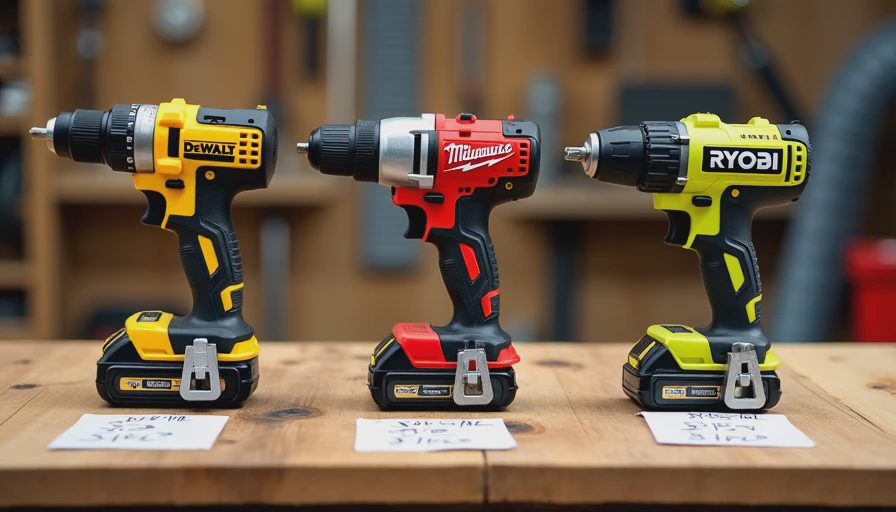
The three drills I tested
I compared three popular 20V systems available in Columbus:
DeWalt 20V Max XR (the one I bought first for $329)
Milwaukee M18 Fuel (bought later because everyone said it was “the best”)
Ryobi 18V One+ (bought on sale for $99 with two batteries)
I used them for the same tasks over 18 months: hanging heavy garage shelves, installing interior doors, building raised garden beds, drilling into concrete, assembling IKEA furniture, and hundreds of smaller jobs.
Power and performance
For most homeowner jobs, all three have enough power. Where they differ is in the tough stuff.
The Milwaukee M18 Fuel is noticeably stronger when drilling into old 1995 house studs or driving long construction screws. It powers through pressure-treated lumber like butter. DeWalt is very close behind. The Ryobi handles 90% of normal tasks without complaint but starts to struggle with really dense material or long screws.
However, for a regular house with kids, you’re rarely doing production-level framing. Most of my drilling is pilot holes, installing hardware, and light construction.
Battery life and runtime
Milwaukee and DeWalt both have excellent high-capacity batteries. The Ryobi batteries are smaller but I keep four of them, so I rarely run out during a project. Swapping batteries takes seconds anyway.
Real talk: I’ve never had a project where battery life was the deciding factor. Having extras matters more than having the absolute best battery.
Durability and build quality
This is where opinions get loud online. After real use:
Milwaukee feels the most tank-like. It’s taken multiple drops onto concrete and still works perfectly.
DeWalt is very solid but I’ve had the chuck loosen up once.
Ryobi feels lighter and more plastic, but surprisingly it has held up better than I expected. One of my Ryobi drills has survived two years of garage abuse with no major issues.
Weight and ergonomics
This is the part nobody talks about enough. The Milwaukee is the heaviest, which gets tiring when you’re holding it overhead installing closet shelves for an hour. DeWalt is in the middle. Ryobi is the lightest and most comfortable for extended use or when my 9-year-old wants to “help.”
Price and value
This is where my “enough party” philosophy comes in:
DeWalt kit: $329 (what I paid)
Milwaukee M18 Fuel kit: $399 (what I paid on sale)
Ryobi kit with two batteries: $99 (what I paid)
For the average homeowner, the Ryobi gives you 85-90% of the performance at less than a third of the price. The money I saved bought a really good ladder and a respirator I actually use.
My real-world usage breakdown
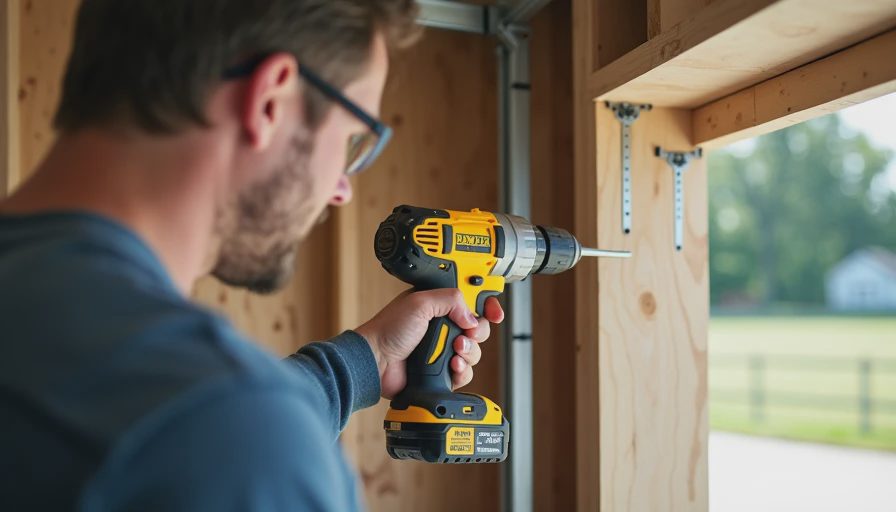
Heavy garage and outdoor projects → Milwaukee or DeWalt
Interior finishing, shelves, furniture assembly → Ryobi is perfect
Quick jobs around the house → Ryobi, because it’s always charged and light
When I need maximum power → Milwaukee
After all this testing, here’s what actually sits in my main toolbox now:
I kept the Milwaukee for the toughest jobs. I use the Ryobi for 70% of my daily tasks. The DeWalt mostly sits on the shelf — it’s good, but I don’t reach for it often enough to justify having three full systems.
What I wish I knew before spending $300+
You don’t need the “pro” level for most house projects.
Buy into one ecosystem and stick with it. Mixing brands is expensive.
Extra batteries and a good charger matter more than the drill itself.
Weight matters when you’re working overhead or for long periods.
The “best” drill is the one you actually use, not the one with the most impressive specs.
My recommendation for most homeowners
If you’re just starting out or have a normal suburban house like mine, begin with a Ryobi 18V One+ kit. It’s cheap enough that you won’t cry if it breaks, light enough for real use, and the ecosystem is huge (they make everything from leaf blowers to fans).
Once you know you love DIY and start doing bigger projects, step up to Milwaukee or DeWalt as your second system.
I wasted $300 learning this. You don’t have to.
The bigger lesson
Tools are addictive. Walk into any big box store and everything looks necessary. But after three houses, I’ve learned that having three good drills doesn’t make me any better at home improvement than having one really good system and knowing when to use it.
Wendy still rolls her eyes when I come home with another tool. She’s usually right.
The goal isn’t to have the best tools on the block. The goal is to have tools that help you get projects done without spending stupid money.
I’ve already made the expensive mistakes for you. Learn from them.
Don’t worry, it’s not expensive to be smart with tools.





No letters yet — pray write the first.