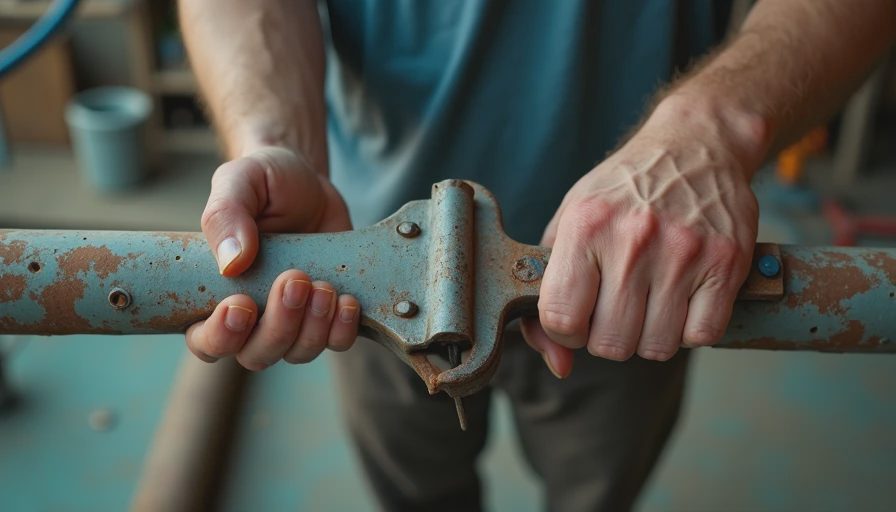
I’ll be honest: the first time I tackled a plumbing issue in my 1995 house, I was convinced I’d flood the basement. But after eight years and three homes, I’ve learned that **DIY plumbing repair** is one of the easiest ways to save serious cash—if you know what’s safe and what’s not. Plumbers charge $150–$300 an hour, and most common fixes take less than an hour of your time and under $20 in parts. That’s the kind of math that buys a case of beer and a new tool. Here’s what I wish someone told me before I started.
Why DIY Plumbing Repair Pays Off
A running toilet or a drippy faucet is annoying, but it’s also money going down the drain. A slow leak can waste 10 gallons a day—that adds up on your water bill. **DIY plumbing repair** lets you fix these issues for a few bucks. For example, replacing a toilet flapper costs about $8 and takes ten minutes. Hiring a plumber to do that same job runs around $200. Over the years, I’ve saved thousands by doing my own repairs. The key is knowing which jobs are beginner-friendly and which ones need a pro.
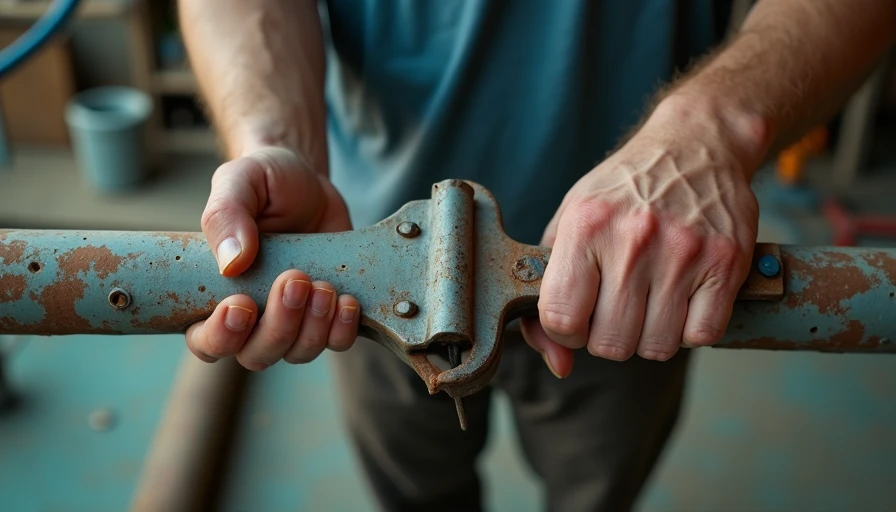
Essential Tools for DIY Plumbing Repair
Before you start, you need the right gear. Don’t worry, it’s not expensive. Here’s my starter kit:
- **Plunger** ($10) – for clogged toilets and drains.
- **Adjustable wrench** ($15) – for loosening nuts under sinks.
- **Pipe wrench** ($25) – for stubborn pipes.
- **Plumber’s tape** ($3) – for sealing threaded joints.
- **Drain snake** ($20) – for hair clogs.
- **Bucket and towels** – for cleanup.
I keep these in a small toolbox under the kitchen sink. Trust me, having them ready makes **DIY plumbing repair** feel less intimidating. You don’t need a full pro setup—just the basics.
Step-by-Step: Fixing a Leaky Faucet
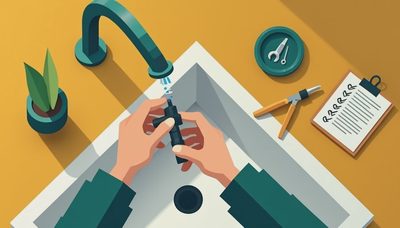
A dripping faucet is one of the most common repairs. Here’s how I do it:
- Turn off the water supply under the sink.
- Plug the drain so you don’t drop screws down it.
- Remove the handle (usually a set screw under a cap).
- Unscrew the valve stem or cartridge.
- Replace the O-ring or washer (match the old part at the hardware store).
- Reassemble and turn the water back on.
I fixed a leaky kitchen faucet last month for $4 in rubber washers. A plumber would have charged $200. That’s the beauty of **DIY plumbing repair**—you learn a skill and keep your money.
When to Call a Pro
Not every job is a DIY. I’ve burned myself enough to know the limits. Call a plumber for:
- Water heater issues (gas or electric – risky).
- Main sewer line clogs (needs special equipment).
- Copper pipe soldering (easy to mess up).
- Anything behind a wall with no access panel.
**DIY plumbing repair** is about smart choices. If you’re unsure, get a quote first. Sometimes it’s worth $50 for a diagnosis.
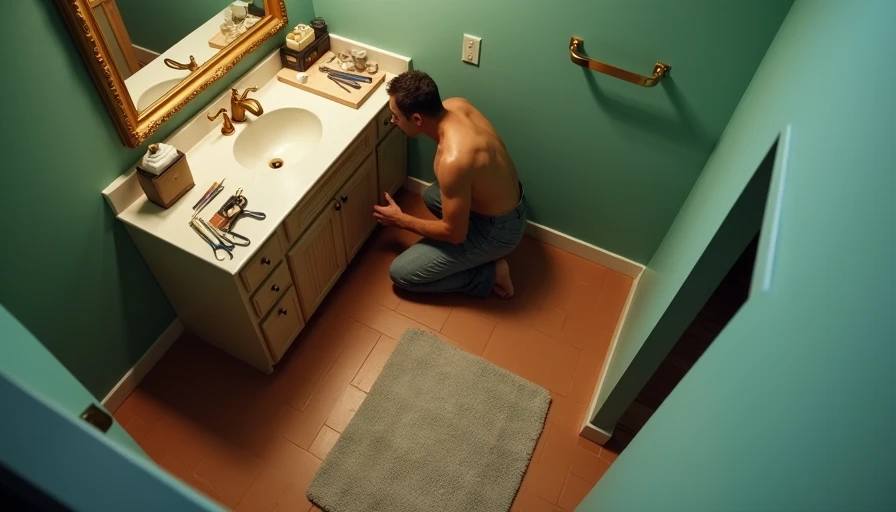
Common Mistakes to Avoid
I’ve made every mistake in the book, so you don’t have to.
- **Overtightening** – You’ll crack plastic nuts. Snug is fine.
- **Wrong tape direction** – Wrap plumber’s tape clockwise on threads.
- **Ignoring shut-off valves** – Always test them before you start. They can seize up.
- **Using chemical drain cleaners** – They wreck pipes. Stick to a snake.
Learning these the hard way cost me time and money. Avoid them and your **DIY plumbing repair** will go smoother.
Cost Comparison: DIY vs. Pro
To see the real impact of **DIY plumbing repair**, look at the numbers. Here are four common jobs with typical costs:
- **Replacing a toilet flapper**: DIY cost: $8 for a new flapper. Pro cost: $150–$250. Takes 10 minutes. Saves at least $140.
- **Fixing a leaky faucet (O-ring)**: DIY cost: $5–$10 for washers. Pro cost: $200–$350. Takes 30 minutes. Saves $190+.
- **Unclogging a sink with a drain snake**: DIY cost: $20 for a basic snake (or free if you already have one). Pro cost: $150–$300. Takes 20 minutes. Saves $130+.
- **Replacing a shower head**: DIY cost: $25–$50 for a new head. Pro cost: $150–$200 for the service call. Takes 15 minutes. Saves $100+.
Add it up: if you do these four repairs yourself, you spend about $100 in parts and tools versus over $1,000 if you hire out. That’s a savings of $900 or more. And you learn skills that pay off every time something breaks. I keep a repair log, and my average DIY cost per issue is under $15. The pros aren’t going anywhere, but for these jobs, you can handle it.
Final Thoughts
**DIY plumbing repair** isn’t about becoming a master plumber. It’s about handling the small stuff yourself and knowing when to call for backup. Start with a leaky faucet or a running toilet. You’ll gain confidence and save cash. And if you mess up? I’ve been there. It’s usually fixable with a second trip to the hardware store. — Sam, an ordinary homeowner still struggling with the house.


No letters yet — pray write the first.