When it comes to choosing a new roof, the debate over asphalt vs metal roof for homeowners often comes down to budget and lifespan. I've been through this decision twice—once on my first house and again on my current home in Columbus. Let me walk you through what I learned, including real costs and tradeoffs.
Upfront Cost: Asphalt Wins by a Mile
If you're working with a tight budget, asphalt shingles are the obvious choice. Installed costs typically range from $5 to $9 per square foot. For a typical 2,000-square-foot home, that's $10,000 to $18,000. Metal roofing, on the other hand, runs $7 to $15 per square foot installed—$14,000 to $30,000 for the same house. That's a big difference when you're writing a check. I remember getting quotes for my old house: three asphalt bids averaged $12,500, while the cheapest metal quote was $18,000. I went with asphalt and regretted it after a hail storm five years later.
But don't stop at upfront cost. You have to factor in how long each roof lasts and what it does for your energy bills. That's where the long-term picture gets interesting.
Lifespan and Maintenance: Metal Catches Up
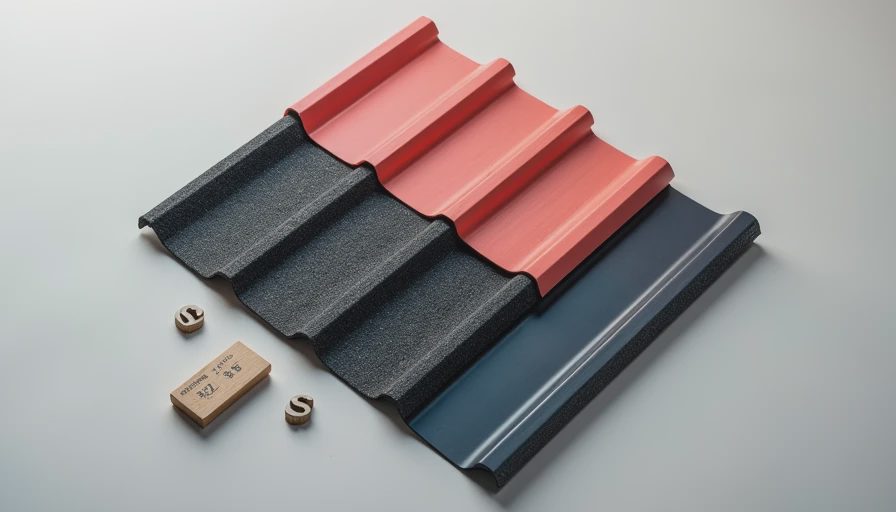
Asphalt shingles typically last 15 to 30 years, depending on the quality and local weather. My first asphalt roof started curling and losing granules around year 12. Metal roofs, by contrast, can last 40 to 70 years with minimal maintenance. They don't crack, curl, or rot. The main downside? Metal can dent from large hail, and it's harder to walk on for repairs. But over three decades, you might replace asphalt twice while metal is still going strong. That makes the lifetime cost surprisingly close. I've seen estimates that metal can be cheaper per year over 30 years when you include removal of old layers and labor escalation.
Energy Efficiency and Insurance Discounts
Here's where metal really shines. Metal roofs reflect solar heat, reducing attic temperatures and cutting cooling costs by 10 to 25%. In my 1995 Columbus house, that saved about $200 per summer. Asphalt absorbs heat, making your AC work harder. Some homeowners report a difference of $500 or more annually in hot climates. On top of that, many insurers offer discounts of 5 to 15% for impact-resistant metal roofs, especially in hail-prone areas. I switched to metal on my current house and my premium dropped $120 a year. Over 30 years, those savings add up to thousands—enough to offset the higher upfront cost.
Which Roof Is Right for Your Home?
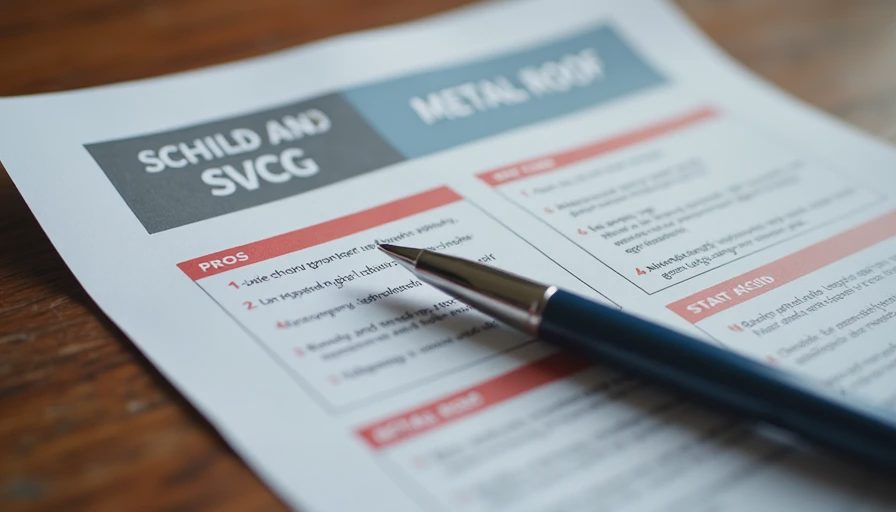
So, how do you decide between asphalt vs metal roof for homeowners like us? It depends on your situation. If you plan to stay in your home for less than 10 years, asphalt is probably the smarter financial move. You get a lower upfront cost, and you won't get the full benefit of metal's longevity. If you plan to stay 15 years or more, metal can save you money in the long run through energy savings, insurance discounts, and fewer replacements. Also consider your climate: metal is excellent in snow-prone areas because snow slides off, but it can be noisy in heavy rain unless you add insulation. Asphalt is quieter and easier to repair.
Noise and Weather Resistance: What You Need to Know
One common concern with metal roofing is noise during rain or hail. Without proper underlayment and attic insulation, metal can amplify the sound of precipitation. However, modern metal roof installations include solid sheathing and insulation that significantly dampen noise—often making it comparable to asphalt. I've experienced both: my asphalt roof was quiet, but my metal roof with closed-cell foam insulation is only slightly louder during a downpour. On the plus side, metal sheds snow and ice more effectively, reducing the risk of ice dams and water backup. Asphalt shingles can be more susceptible to wind uplift in hurricanes, while metal stands up better. When weighing asphalt vs metal roof for homeowners, don't underestimate these practical differences. It's worth visiting a neighbor with a metal roof during a storm to hear for yourself.
The key to a quiet metal roof is proper installation. A quality contractor will use a thermal break and ensure the roof deck is fully covered. This adds roughly $0.50 to $1.00 per square foot to the total cost, but it's a one-time expense that improves both noise control and energy efficiency. Asphalt shingles are inherently quieter but don't offer the same reflectivity. If you live in an area with frequent hail, impact-resistant metal can withstand larger stones than standard asphalt, potentially saving you from premature replacement. Insurance companies recognize this, often rewarding metal roofs with lower premiums even beyond basic discounts.
Final Tips from a Homeowner Who's Done Both
Don't trust the marketing hype. Get three quotes for each material and ask for a line-by-line breakdown. Look into local rebates and tax credits for energy-efficient roofs. Some states offer incentives for metal roofing with cool-roof ratings. And don't forget about resale value: metal roofs can increase home value in some markets, especially if they're standing seam. But asphalt is still the standard, and most buyers expect it. At the end of the day, the best choice is the one that fits your budget and your timeline. I've made both mistakes and wins, and I'm happy to talk you through it in the comments.
— Sam, an ordinary homeowner still struggling with the house.




No letters yet — pray write the first.