How to Find a Good Roofing Contractor
If you own a house long enough, you'll eventually need a roof replacement or major repair. And if you're like me, the first time you search for how to find a good roofing contractor, you'll get a vague list of suggestions that sound more like a wish list than actual advice. I've been through this twice on two different houses, and both times I learned something expensive. This guide is everything I wish someone had told me before I started calling roofers.
Start with Local Recommendations and Research
The best place to start isn't Google—it's your neighbors. Ask around on your local Facebook homeowner group or Nextdoor. Roofing is a hyper-local business. A crew that does great work in one part of town may not be reliable in another because of different building codes or supplier relationships. I found my last roofer through a neighbor whose roof had been done three years earlier and still looked great.
Once you have a few names, dig into their online presence. Check Google reviews, but don't stop there. Look for patterns: multiple complaints about sloppy cleanup? That's a sign they'll leave nails in your yard. Praise for communication? That matters a lot when a storm rolls in and you need a tarp up fast. Also, check the Better Business Bureau rating—not as a deal-breaker, but as another data point.

Check Licensing, Insurance, and Bonds
Before you even let a roofer give you a quote, ask for proof of licensing and insurance. This is non-negotiable. In Ohio, roofing contractors need a state license, but requirements vary. A legitimate contractor will have general liability insurance (at least $1 million) and workers' compensation coverage. If a roofer hesitates to show you those documents, cross them off your list. I made the mistake of trusting a guy who said “don’t worry about it”—and when a worker slipped, I was lucky the injury wasn't serious. If it had been, I could have been on the hook.
Also, ask if they are bonded. A bond protects you if the contractor fails to complete the job or doesn't pay for materials. It's an extra layer that costs them a small fee but gives you peace of mind. Don't hire a roofer who can't provide proof of bonding.
Get Multiple Quotes and Compare Line by Line
I always get at least three quotes. But the real trick is comparing them line by line, not just the bottom line. One quote might be $2,000 lower, but that's because it uses cheaper shingles, skips ice and water shield, or doesn't include dumpster fees. When I was looking for how to find a good roofing contractor, the second-lowest bid turned out to be the best value because it included full deck replacement if needed and a 10-year workmanship warranty.
Ask each contractor for a detailed breakdown: materials (brand and model), labor, disposal, permits, and any contingencies. A reputable roofer will be happy to explain each item. If a quote is vague—“materials and labor”—that's a red flag. They can add surprise charges later.
What to Look for in a Written Contract
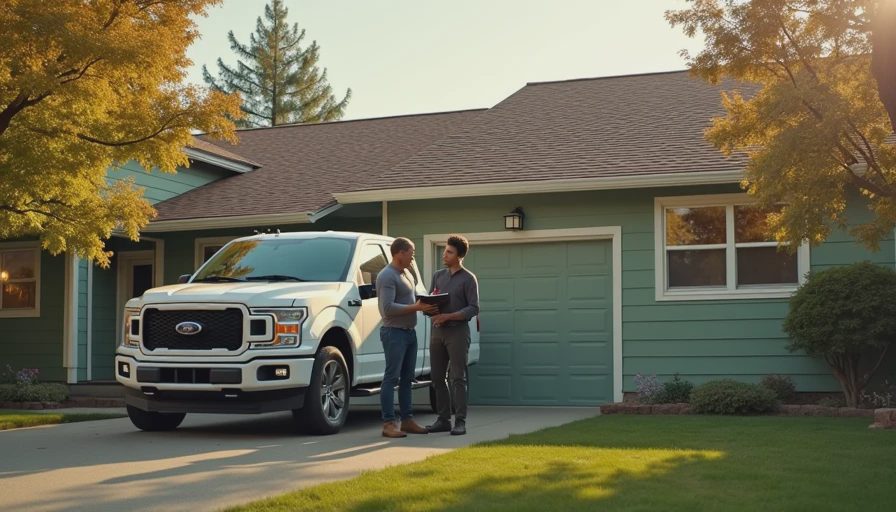
Once you pick a contractor, make sure everything is in writing. The contract should include the start and completion dates, payment schedule (never pay the full amount upfront—industry standard is 10-20% down), exact materials, warranty terms, and what happens if weather delays the job. Also, check that the contract lists the contractor's physical address and license number. A post office box alone is a warning sign.
I also recommend checking if the contractor is a manufacturer-certified installer. GAF, Owens Corning, and CertainTeed all have certification programs. A certified installer often qualifies for better warranties from the manufacturer, which is nice if you plan to stay in the house for a while.
Red Flags That Mean Walk Away
Some roofers are pros, but others are storm chasers—out-of-town crews that show up after a hail storm, take a deposit, and disappear. A few red flags: they knock on your door unsolicited, pressure you to sign a contract that day, or ask for a large cash deposit. Reputable roofers don't need to chase storms for work. They have a steady local client base.
Also, be wary of a roofer who insists you file an insurance claim. Some will exaggerate damage to get you a big payout and then charge inflated prices. That's fraud, and you don't want to be part of it. If an adjuster denies your claim, get a second opinion from a different roofer before signing anything.
Trust Your Gut and Take Your Time
How to find a good roofing contractor isn't complicated once you know the steps. Talk to neighbors, verify insurance, compare detailed quotes, and never let anyone rush you. The right contractor will answer your questions, show up on time, and be willing to put everything in writing. In my experience, that kind of professionalism saves you money in the long run. — Sam, an ordinary homeowner still struggling with the house.




No letters yet — pray write the first.